
Traffic Congestion in Malaysia No Longer Seasonal, Daily Strain Becoming the Norm

KUALA LUMPUR, April 8 — Traffic congestion in Malaysia is increasingly shifting from a seasonal inconvenience to a daily reality, reflecting growing pressure on the country’s highways and urban road networks.
Previously associated with major festive periods such as Hari Raya, Chinese New Year and Deepavali, heavy traffic is now becoming more common throughout the year, including during long weekends, school holidays and even regular weekday commutes.
This shift suggests that congestion is no longer a temporary surge but a persistent feature of daily mobility, particularly in urban centres and high-density regions.
Highway operators such as PLUS Malaysia Berhad continue to implement measures to manage peak traffic, including Smart Lane systems and real-time travel advisories.
While these measures provide some relief during peak periods, they are largely short-term solutions that do not fully address the underlying issue of increasing vehicle volume.
The strain is especially evident at major entry points into the Klang Valley, where key highways such as the LDP, ELITE and Sprint frequently experience slowdowns as traffic builds up.
At this scale, even minor disruptions can quickly escalate, affecting overall traffic flow across wider networks.
One often overlooked factor is the tolling process. Although each stop may appear brief, the cumulative effect across thousands of vehicles can significantly slow movement, leading to queues and uneven traffic flow.
This has led to growing interest in reducing friction at toll points through the adoption of new technologies.
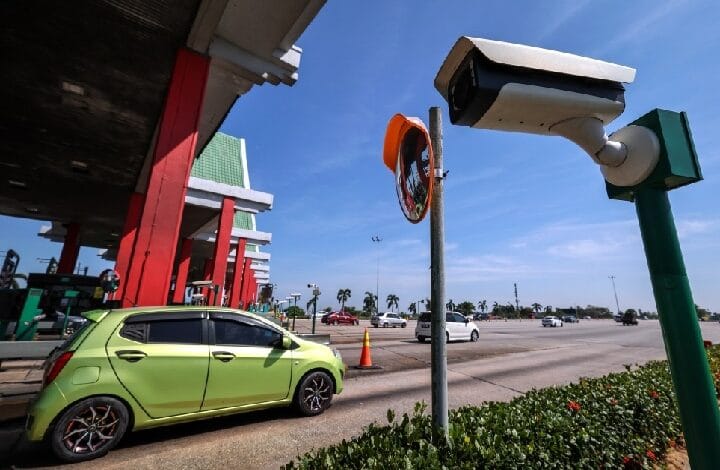
Emerging solutions such as automated number plate recognition (ANPR) systems and barrierless tolling platforms like JustGo are being explored to enable smoother, uninterrupted journeys.
These approaches aim to minimise stopping points and improve consistency in traffic flow, particularly during peak travel periods.
However, with the continued rise in vehicle numbers, congestion is unlikely to ease in the near future.
As such, incremental improvements in traffic management and infrastructure efficiency are expected to play an increasingly important role in mitigating the impact on road users.
The evolving situation highlights the broader challenge of balancing infrastructure capacity with rising mobility demands, underscoring the need for more innovative and sustainable transport solutions moving forward.
-wilayah.com.my