
PAC Calls for Major Healthcare Reform as Private Insurance System Faces Growing Scrutiny

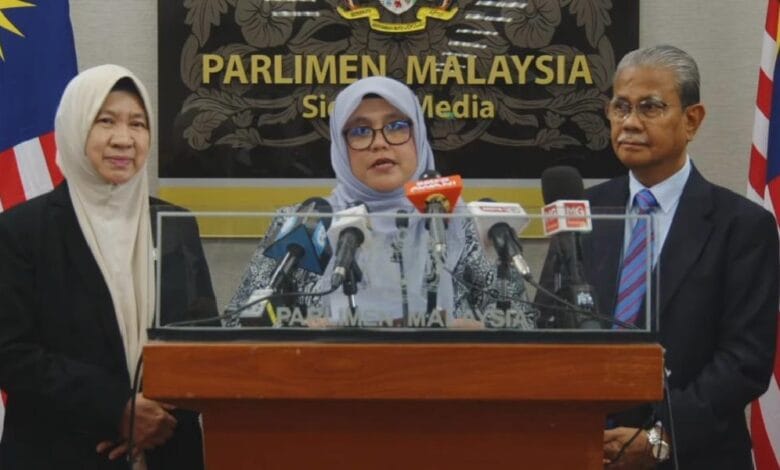
KUALA LUMPUR: Malaysia’s Public Accounts Committee (PAC) has called for comprehensive reforms to the country’s private healthcare and insurance ecosystem after identifying structural weaknesses that it believes are driving up medical costs and limiting access to affordable coverage.
PAC chairman Datuk Mas Ermieyati Samsudin said the committee’s findings indicate that the current private health insurance model is increasingly struggling to serve as an effective long-term social safety net, particularly for vulnerable groups.
The conclusions were drawn from 19 proceedings conducted last year to examine rising health insurance premiums, escalating private hospital charges and the broader impact of healthcare costs on the public.
According to Mas Ermieyati, one of the committee’s key concerns is the industry’s reliance on risk-based pricing practices that may leave certain groups facing higher costs or difficulties in obtaining adequate coverage.
She said such a structure could undermine the broader objective of ensuring equitable access to healthcare protection.
“The current system remains exposed to risk-selection practices and may not fully function as an inclusive safety net for all segments of society,” she said in a statement.
The committee also found that billing structures in private hospitals often lack transparency and do not always accurately reflect the actual cost of treatment provided to patients.
Among the issues highlighted were substantial mark-ups on medicines and medical supplies, which are reportedly used to offset operational expenses that may not be directly billed to patients.
PAC further observed instances where basic consumables and services were billed separately rather than being incorporated into standard room charges, potentially contributing to higher overall treatment costs.
Another concern raised by the committee relates to pricing disparities between patients based on their payment methods.
According to the findings, some patients using guarantee letters (GLs) from insurers may be charged at higher rates compared to individuals paying directly in cash.
The committee noted that such practices raise important questions regarding fairness and consistency in healthcare pricing.
PAC also stressed that the rapid increase in healthcare costs cannot be attributed solely to doctors’ professional fees, which have remained regulated under existing legislation since 2013.
Instead, the committee pointed to growing expenses associated with medicines, medical equipment, laboratory tests, diagnostic procedures and advanced treatment technologies as major contributors to healthcare inflation.
In addition, rising operational costs faced by private hospitals, including staffing expenses, utilities, technology investments and administrative overheads, have further increased financial pressures across the sector.
The committee also highlighted concerns regarding pharmaceutical supply chains.
According to PAC, more than 1,500 types of medicines currently available in Malaysia have only a single registered manufacturer, creating conditions that may reduce competition and contribute to higher prices.
To address these challenges, PAC has submitted 17 recommendations aimed at strengthening governance, improving transparency and reducing the financial burden on consumers.
Among the proposals is a call for insurers and takaful operators to adopt smaller and more gradual annual premium adjustments to minimise financial shocks for policyholders.
The committee also recommended accelerating the implementation of the Diagnosis Related Group (DRG) payment system within the private healthcare sector to improve cost efficiency and billing transparency.
Additional recommendations include introducing stronger mechanisms to regulate the pricing of medicines and medical devices, while encouraging efforts to diversify supply sources and reduce dependence on dominant suppliers.
Looking ahead, PAC believes a new governance framework involving the Ministry of Finance, Bank Negara Malaysia and the Ministry of Health could help provide stronger oversight of the private healthcare industry.
Such reforms, the committee argues, would better protect consumers, improve accountability and ensure that healthcare remains accessible and sustainable in the long term while balancing the interests of patients, hospitals and insurers.