MOE Expands Classrooms and Teacher Recruitment Ahead of Double Year One Intake in 2027

KUALA LUMPUR: The Ministry of Education (MOE) is intensifying preparations for a significantly larger Year One intake in 2027 by expanding school infrastructure, recruiting additional teachers and strengthening student transition programmes.
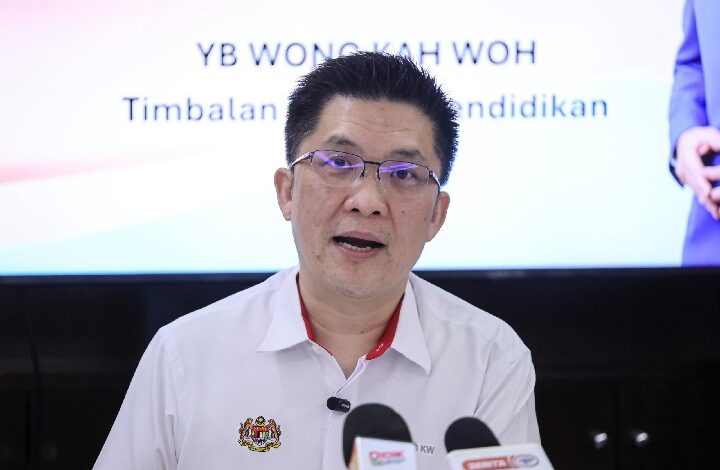
Deputy Education Minister Wong Kah Woh said the ministry expects a substantial increase in enrolment numbers due to the simultaneous admission of two Year One cohorts, comprising children aged six and seven.
Current registration figures indicate that 73,386 applications have been submitted for six-year-old children, while 405,033 applications have been received for seven-year-olds.
Combined, the total of 478,419 registrations represents a 12.07 per cent increase compared with the 2026 Year One intake, which involved only the seven-year-old cohort.
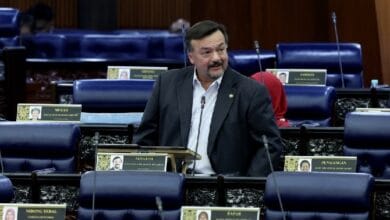
“The ministry has already initiated a series of measures to ensure schools are fully prepared for the increased enrolment expected next year,” Wong said during Question Time in the Dewan Rakyat.
A major component of the preparation involves the construction of 2,596 new classrooms across 838 schools nationwide.
The facilities will be developed using the Industrialised Building System (IBS) modular construction method, which allows projects to be completed more efficiently while maintaining required standards.
According to Wong, the ministry aims to complete all classroom projects within this year to ensure schools have adequate capacity before the start of the 2027 academic session.
Beyond physical infrastructure, the ministry is also strengthening staffing levels through the recruitment of 3,150 Contract of Service (COS) teachers.
The additional educators are expected to help schools manage larger student numbers while maintaining effective teaching and learning environments.
Wong explained that the ministry has already established five-year projections for teacher requirements at both national and state levels, allowing manpower planning to be carried out more systematically.
Apart from hiring COS teachers, reserve candidates from the Education Service Commission (SPP) will also be appointed where necessary to address staffing needs.
Teacher training programmes are being enhanced as part of the ministry’s broader efforts to prepare educators for the admission of younger pupils entering primary school.
The ministry is also focusing on ensuring children transition smoothly into formal schooling regardless of their early childhood education background.
Parents will continue to be given the flexibility to determine whether their children are ready to join the six-year-old intake or remain in the seven-year-old cohort, depending on their developmental readiness.
To improve access to preschool education, especially among lower-income families, the ministry has increased the number of preschool classes established this year to 350, compared with approximately 150 classes annually in previous years.
The move is intended to provide greater opportunities for children from B40 households who may not be able to afford private kindergarten education.
At the same time, the ministry is reviewing the potential impact of the policy on private kindergarten operators, particularly the implications of losing one student cohort under the revised intake arrangement.
Engagement sessions with industry stakeholders are continuing to gather feedback and address concerns related to the transition.
Wong added that the Year One Transition Programme will play a central role in helping pupils adapt to the school environment and learning structure.
Meanwhile, curriculum adjustments scheduled for implementation in 2027 are being designed to align with the developmental needs, cognitive abilities and learning readiness of younger pupils.
The ministry believes these comprehensive measures will ensure schools remain well-equipped to handle the larger intake while maintaining educational quality and supporting students’ academic and personal development.
With enrolment numbers expected to rise considerably, MOE views early planning, teacher preparedness and infrastructure expansion as essential components in ensuring a smooth rollout of the new intake arrangement in 2027.