
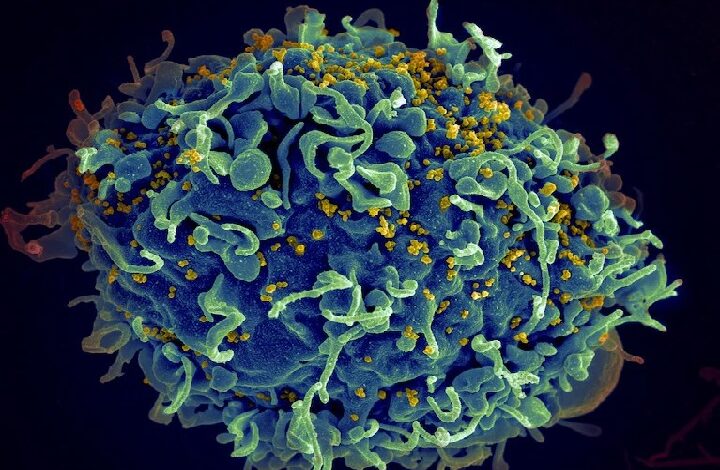
Risky Sexual Behaviour Emerging as Key Driver of HIV Infections Among Young Malaysians

PETALING JAYA: Malaysia’s HIV landscape is undergoing a significant shift, with health experts warning that risky sexual behaviour has become one of the primary contributors to new infections, particularly among young adults and men.
The trend has raised concerns among public health specialists, who believe that greater emphasis must be placed on early education, prevention strategies and awareness programmes to address changing patterns of transmission.
Data from the Ministry of Health indicates that men account for approximately 90 per cent of HIV cases recorded in the country, while individuals aged between 20 and 39 represent about three-quarters of all infections.
The figures suggest that HIV continues to disproportionately affect people in their most economically and socially active years.
Geographically, Selangor remains the state with the highest number of reported HIV cases, contributing 34.1 per cent of the national total.
Kuala Lumpur and Putrajaya follow with 11.4 per cent, while Sabah accounts for 10.8 per cent of recorded cases.
Among ethnic groups, the highest infection rate has been reported among Sabah Bumiputera communities, with 14.2 cases per 100,000 people.
Public health physician and Universiti Kebangsaan Malaysia (UKM) medical faculty academic Prof. Dr. Sharifa Ezat Wan Puteh said the profile of HIV transmission in Malaysia has changed considerably compared with previous decades.
Historically, injection drug use was regarded as one of the major contributors to HIV infections. Today, however, a growing proportion of cases are linked to high-risk sexual practices.
According to Sharifa, the changing trend highlights the urgent need for comprehensive sexual and reproductive health education, particularly among adolescents and young adults.
She stressed that awareness programmes should begin early and focus on equipping young people with accurate information about HIV transmission, prevention measures and long-term health consequences.
“The reality is that risky behaviours often develop before individuals fully understand the implications of their actions. Education plays a critical role in reducing those risks,” she said.
Sharifa also addressed misconceptions surrounding Pre-Exposure Prophylaxis (PrEP), a preventive medication used to reduce the likelihood of HIV infection among individuals at elevated risk.
Some segments of society have argued that wider access to PrEP may encourage irresponsible behaviour, but health experts maintain that the medication is an evidence-based public health intervention designed to reduce infection rates.
“PrEP is not intended to promote risky behaviour. It is a preventive tool that helps reduce HIV transmission when prescribed and monitored appropriately,” she explained.
While PrEP has proven highly effective in lowering HIV infection risk, Sharifa noted that it does not provide protection against other sexually transmitted infections such as syphilis, gonorrhoea or chlamydia.
For that reason, healthcare professionals continue to recommend the use of additional preventive measures, including condoms, regular health screenings and responsible sexual practices.
Experts also stress that reducing HIV infections requires more than medical treatment alone.
Public awareness campaigns, family engagement, community support and access to accurate health information all play important roles in strengthening prevention efforts.
Sharifa warned that failure to address emerging behavioural trends could result in a continued rise in HIV infections among younger generations.
She believes that a combination of early intervention, education and accessible healthcare services offers the most effective strategy for curbing transmission and improving long-term public health outcomes.
“As patterns of infection evolve, prevention strategies must evolve as well. The goal is not only to reduce infections but also to empower people with the knowledge and tools needed to protect themselves,” she said