
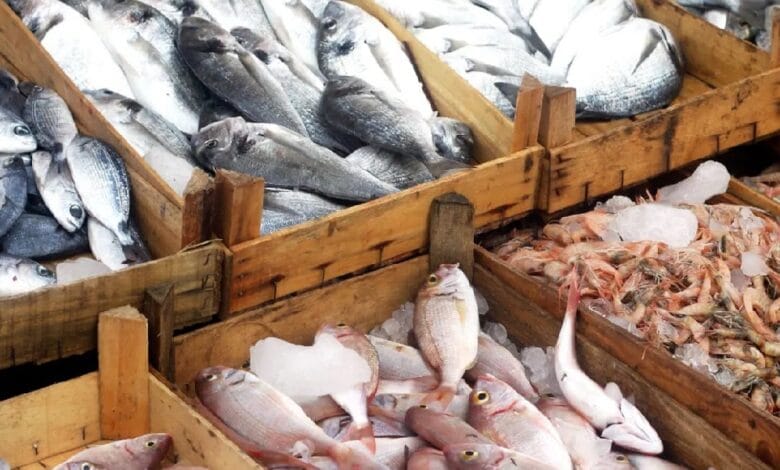
Malaysia’s Fish Supply Remains Secure Despite Global Energy Crisis, Stocks Can Last Three Months

IPOH, April 10 – Malaysia’s fish supply remains stable despite mounting concerns over the global energy crisis triggered by ongoing tensions in West Asia, according to the Department of Fisheries.
Director-General Datuk Adnan Hussain said the country’s fisheries sector has not experienced any significant disruption, with fishing activities across all operational zones continuing as usual.
He explained that vessels operating in zones A, B and C are still active, supported by government fuel subsidies that help cushion the impact of rising global fuel prices.
“Despite the global increase in fuel costs, fishing operations nationwide are still ongoing without major disruption. This ensures that fish supply in the domestic market remains stable,” he said.
Deep-Sea Fishermen Face the Greatest Pressure
Adnan acknowledged that deep-sea fishermen, particularly those in the C2 category, are the most affected by rising operational costs.
However, he expressed confidence that these fishermen will continue operating due to consistent market demand and the need to sustain their livelihoods.
Even in a worst-case scenario where fishing operations are significantly affected, Malaysia has sufficient fish stock reserves to last up to three months.
“This buffer is critical in ensuring food security and preventing supply shortages during periods of disruption,” he added.
Aquaculture as a Strategic Backup
Beyond traditional fishing, the aquaculture subsector plays a vital role in maintaining supply stability.
Fish farming operations are expected to offset any potential shortfall from marine catches, providing a reliable alternative source of production.
Although aquaculture operators are also facing rising feed costs due to global logistical challenges, Adnan said existing feed supplies remain adequate to sustain production in the near term.
Weather Risks Under Close Watch
Apart from geopolitical tensions, authorities are also monitoring environmental factors, particularly the anticipated El Niño phenomenon.
Adnan noted that changing weather conditions could affect river water levels and disrupt aquaculture production in certain regions, especially between May and June.
“We are closely monitoring the situation to ensure any potential impact can be mitigated early,” he said.
Strengthening Fisheries Laws
Meanwhile, the Fisheries (Amendment) Act 2025, approved last year, will be fully enforced starting June 1 as part of efforts to strengthen the sector’s resilience.
The amendment introduces comprehensive measures to address key issues such as illegal, unreported and unregulated (IUU) fishing, declining fish stocks, and climate-related challenges.
It also enhances regulatory oversight on landing, unloading and transshipment activities while imposing stricter penalties for violations.
Offenders may face general penalties of up to RM100,000, fines reaching RM250,000, and imprisonment for serious offences. Violations in marine parks and protected areas could result in fines of up to RM1 million.
Adnan stressed that these measures are crucial in ensuring the long-term sustainability of Malaysia’s fisheries industry and safeguarding national food security.
-wilayah.com.my