MADA Intensifies Support Measures as Farmers Grapple with Diesel Costs and Drought-Driven Delays

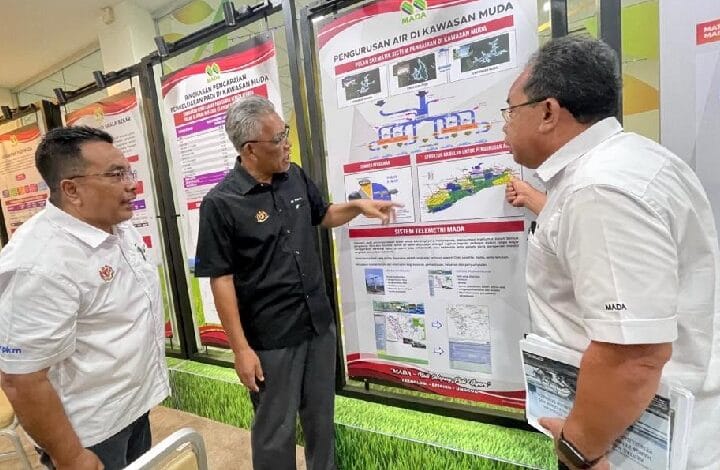
ALOR SETAR — Muda Agricultural Development Authority has firmly denied claims of neglecting paddy farmers amid rising diesel prices and prolonged dry weather, emphasising that a series of coordinated interventions are already underway to stabilise the situation and assist growers during a challenging planting season.
Its chairman, Ismail Salleh, said the agency has been actively responding to the dual pressures of increased fuel costs and insufficient rainfall, both of which have disrupted farming operations across Kedah, particularly within the MADA irrigation scheme.
Push for Subsidised Fuel Support for Farmers
One of the key steps taken by MADA involves seeking access to subsidised diesel or the introduction of fleet cards for agricultural machinery under the government’s Subsidised Diesel Control System.
Ismail said the proposal was submitted to the Ministry of Finance following the fuel price adjustment in 2024, which significantly raised operational costs for farmers who rely heavily on diesel-powered equipment.
“The rising cost of diesel has had a direct impact on agricultural activities. We have proposed practical solutions, including the use of fleet cards, to ease the burden on farmers,” he said.
He added that additional financial support has also been extended through enhanced incentives for land preparation, helping farmers manage higher expenses associated with ploughing and field readiness.
Planting Delays Reflect Wider Operational Challenges
The issue gained attention following reports that a large proportion of farmers—estimated at around 90 per cent in Kedah—have yet to begin planting for the new season.
Ismail acknowledged that delays are occurring but stressed that they are largely driven by external factors, including drought conditions and cost pressures, rather than a lack of support from authorities.
“This is a complex situation influenced by weather patterns and rising input costs. It is not accurate to suggest that no action has been taken,” he said.
Managing Water Resources Amid Dry Conditions
To mitigate the effects of the drought, MADA has stepped up its monitoring of water resources, conducting regular weekly assessments to ensure optimal distribution across irrigation areas.
The agency has also carried out cloud seeding operations on two occasions in February and April, aimed at increasing rainfall in affected regions.
In addition, Ismail noted that further cloud seeding requests have been submitted, although such operations depend heavily on the presence of suitable cloud formations.
“These efforts demonstrate our commitment to managing water availability as effectively as possible under challenging conditions,” he said.
Risks to Production Timeline and Yield
Ismail warned that delays in planting could have a cascading impact on the agricultural cycle if not carefully managed. Among the key concerns are disruptions to mechanisation schedules, input supply chains, and irrigation planning.
He also highlighted the risk that critical growth stages, such as flowering and harvesting, may occur during periods of heavy rainfall later in the year, potentially affecting crop yields.
“If timing is not properly managed, it could affect overall production and disrupt the annual planting calendar,” he said.
Evaluating Alternative Cultivation Techniques
In response to current conditions, MADA has explored alternative cultivation methods, including dry direct seeding, which can be used in low-water environments.
However, recent rainfall in late April has altered field conditions, making the method less suitable for continued implementation.
As a result, farmers are being encouraged to remain adaptable and align their planting methods with current environmental conditions.
Call for Coordinated Action Among Farmers
Ismail urged all farmers within the MADA region to follow the official planting schedule and remain prepared to begin planting activities as soon as sufficient rainfall is recorded.
He stressed that coordinated action is essential to ensure consistency across the agricultural system and to minimise disruptions to the paddy supply chain.
“Timely and organised action will help ensure stability in production and reduce the risk of further delays,” he said.
The ongoing situation underscores the broader challenges facing Malaysia’s agriculture sector, where rising costs and climate variability continue to test the resilience of food production systems.
-wilayah.com.my