
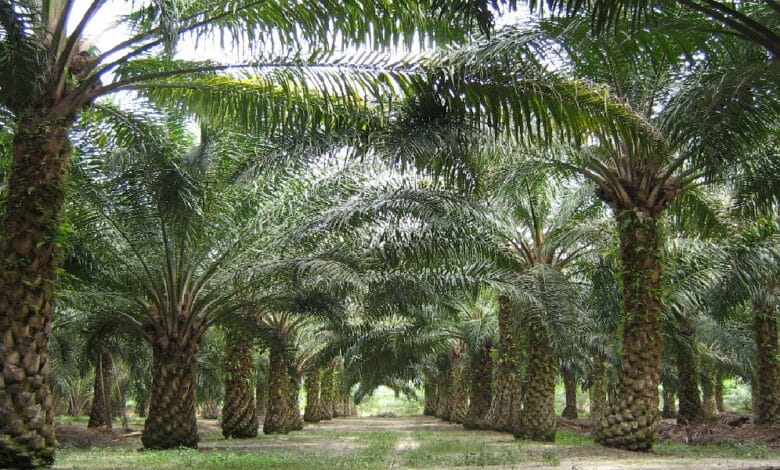
West Asia tensions push crude palm oil prices higher amid energy surge

PETALING JAYA — Escalating geopolitical tensions in West Asia have begun to ripple through global commodity markets, with crude palm oil (CPO) prices rising alongside a sharp surge in energy prices following recent military developments in the region.
Industry analysts say the conflict triggered by attacks involving the United States, Israel and Iran has disrupted market expectations and strengthened the relationship between crude oil and palm oil prices. As a result, plantation sector dynamics and biodiesel economics are shifting rapidly.
Palm Oil Prices Rise Following Energy Market Rally
CIMB Securities research analyst Ivy Ng Lee Fang noted that CPO prices on Bursa Malaysia have climbed significantly since the geopolitical crisis intensified.
According to her analysis, CPO prices have increased by approximately 9.5 per cent to RM4,428 per tonne since February 27, which was a day before tensions in West Asia escalated.
The increase mirrors a strong rally in global energy markets, which has historically influenced palm oil pricing due to biodiesel demand.
Ivy explained that higher CPO prices tend to make palm-based biodiesel production more economically attractive, particularly when crude oil prices surge.
Current CPO prices have already surpassed CIMB Securities’ 2026 forecast of RM4,000 per tonne, indicating potential upside risks to existing projections if the geopolitical situation continues to deteriorate.
She said that any prolonged disruption in energy supply routes, especially the Strait of Hormuz, could further support palm oil prices.
Higher Costs Could Offset Plantation Gains
Despite the positive impact on plantation earnings, Ivy cautioned that higher palm oil prices do not necessarily translate into stronger profitability across the board.
This is because fertiliser prices are closely linked to global energy costs, which have also surged sharply following the conflict.
As energy prices climb, plantation companies could face higher operating costs, potentially offsetting some of the gains generated by stronger palm oil prices.
The situation illustrates how geopolitical shocks can produce both opportunities and challenges for the agricultural commodities sector.
Malaysia’s Palm Oil Stocks Expected to Decline
CIMB Securities also projected that Malaysia’s palm oil inventories could decline in the coming months as exports accelerate.
The research house expects Malaysian palm oil stocks to fall by around eight per cent month-on-month to 2.48 million tonnes in March 2026.
This anticipated decline is largely due to export growth that is forecast to outpace production increases.
Palm oil exports are projected to rise by 25 per cent compared with the previous month, while production is expected to increase by about 12 per cent to 1.44 million tonnes.
Early trade data from inspection firm Intertek already indicates strong export momentum. The company reported that Malaysian palm oil exports surged 37.9 per cent month-on-month to 622,455 tonnes during the first 10 days of March.
Energy Price Surge Reshapes Market Dynamics
The conflict has also triggered sharp increases in global energy prices.
ICE gasoil prices have surged about 45 per cent to US$1,089 per tonne, while Brent crude oil prices jumped roughly 27 per cent to US$91.9 per barrel.
These increases were partly driven by the temporary closure of the Strait of Hormuz, a key maritime route for global oil shipments.
If high energy prices persist, analysts warn that global economic growth could slow, potentially reducing long-term demand for vegetable oils including palm oil.
Biodiesel Policies May Provide Additional Support
RHB Research also highlighted the growing link between crude oil and palm oil prices.
Since the conflict began, crude oil prices have risen by about 30.7 per cent, while palm oil prices increased around 11.6 per cent over the same period.
The correlation between the two commodities has strengthened significantly, rising to 0.92 compared with 0.43 recorded in 2025.
The price gap between palm oil and gasoil — commonly referred to as the POGO spread — has also narrowed sharply to US$19.95 per barrel, down from US$52 per barrel earlier this year.
With the narrower spread, RHB Research believes Indonesia’s biodiesel fund may have sufficient financial capacity to support the implementation of its B50 biodiesel mandate.
If Indonesia proceeds with the policy earlier than expected, it could remove around four million tonnes of palm oil supply from global markets, providing further price support.
Shipping Risks Could Affect Global Demand
Despite the positive price outlook, analysts caution that logistical disruptions could create risks for the palm oil industry.
Shipping routes near the conflict zone remain vulnerable to disruption, which could affect palm oil trade flows.
According to Oil World data, several major importing countries — including Pakistan, Egypt, Saudi Arabia, Turkey, the United Arab Emirates and Iran — could face supply challenges if maritime routes are restricted.
These markets collectively account for about 15 per cent of global palm oil demand.
Any prolonged disruption to shipping through the Strait of Hormuz could also raise fertiliser costs and logistics expenses, adding further uncertainty to the global agricultural supply chain.
-wilayah.com.my