
Stronger Primary Care Critical to Building Malaysia’s Future Healthcare System, Says Deputy Health Minister

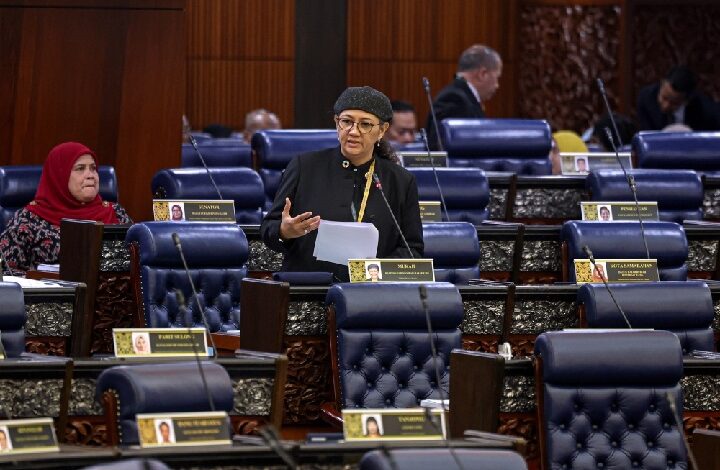
KUALA LUMPUR: Malaysia must place greater emphasis on strengthening primary healthcare if it hopes to build a sustainable healthcare system capable of meeting the country’s growing medical needs, Deputy Health Minister Datuk Hanifah Hajar Taib said.
She stressed that hospitals can no longer function as the sole backbone of healthcare delivery as Malaysia faces increasing demand driven by an ageing population and the rising prevalence of chronic diseases.
According to Hanifah, community-based healthcare services, particularly general practitioners and primary care clinics, should play a much larger role in disease prevention, early diagnosis and long-term patient management.
“A sustainable healthcare system begins in the community. Hospitals remain essential for specialised treatment, but primary care must become the first line of defence if we want to improve health outcomes while reducing unnecessary pressure on hospital services,” she said during the signing ceremony of a memorandum of understanding between IHH Healthcare Malaysia, the Malaysian Medical Association (MMA) and Monash University Malaysia.
She described the collaboration as an important step towards creating a more integrated healthcare ecosystem by bringing together healthcare providers, professional organisations and academic institutions.
Hanifah noted that most Malaysians first seek medical advice from general practitioners, making primary care physicians central to the country’s healthcare delivery system.
Their role extends beyond treating minor illnesses, she said, as they are responsible for identifying health risks early, coordinating referrals and guiding patients through long-term treatment plans.
Malaysia continues to experience a growing burden of non-communicable diseases, including diabetes, hypertension, obesity, cardiovascular disease and cancer.
Managing these conditions effectively requires continuous monitoring, patient education and close cooperation among healthcare professionals, patients and their families rather than relying solely on hospital-based treatment.
The deputy minister also highlighted communication as one of the most important yet often overlooked aspects of quality healthcare.
She said patients increasingly expect more than clinical expertise, placing significant value on clear explanations, empathy and sufficient consultation time throughout their treatment journey.
“Modern healthcare is not measured only by sophisticated equipment or successful medical procedures. Patients also judge the quality of care by whether they feel respected, understood and involved in decisions about their own health,” she said.
Hanifah added that stronger collaboration between primary care physicians and hospital specialists would further improve continuity of care by ensuring medical information is transferred accurately and treatment plans remain consistent throughout the patient’s healthcare journey.
She said effective communication among healthcare professionals reduces duplication of services, shortens waiting times and enhances overall patient safety.
Commenting on the newly signed memorandum of understanding, Hanifah said the partnership provides an opportunity to introduce practical initiatives that strengthen healthcare delivery across multiple areas.
Among the anticipated areas of collaboration are improved referral systems, enhanced chronic disease management programmes, continuing professional education, joint clinical research and wider adoption of digital health technologies.
She expressed confidence that such partnerships would contribute to a healthcare system that is better connected, more efficient and increasingly patient-centred.
According to Hanifah, building a resilient healthcare system requires collaboration across the entire medical ecosystem rather than isolated efforts by individual institutions.
She said strengthening primary care today will ultimately reduce long-term healthcare costs, improve patient outcomes and ensure Malaysia’s healthcare system remains capable of meeting future challenges while delivering equitable, high-quality care for all citizens.