Malaysia Enhances BUDI Diesel Scheme, Allows Fuel Subsidy Eligibility to Be Transferred to Family Members

PETALING JAYA: The Malaysian government has introduced a significant enhancement to the BUDI Madani Diesel (BUDI Diesel) programme by allowing eligible vehicle owners to transfer their diesel subsidy entitlement to family members who are the actual users of the registered vehicles. The move is aimed at making the targeted subsidy system more practical while addressing real-life usage patterns, particularly among households in rural communities.
The improvement comes ahead of the nationwide rollout of the enhanced BUDI Diesel mechanism, following an early access phase that began in Peninsular Malaysia. Authorities expect the revised system to improve accessibility for legitimate beneficiaries while strengthening the government’s targeted subsidy framework.
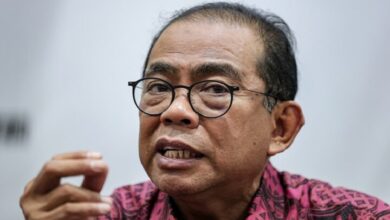
Finance Minister II Datuk Seri Amir Hamzah Azizan said the latest mechanism was introduced after the government reviewed feedback received from members of the public, especially those living in Sabah and Sarawak, where family members frequently share responsibilities involving registered vehicles.
He explained that in many rural communities, children often purchase diesel or manage vehicle-related matters on behalf of their parents, despite not being the registered owners. Under the previous arrangement, such situations created practical challenges in accessing subsidised diesel.
To address those concerns, the upgraded system now allows registered owners to officially transfer their subsidised diesel quota to a family member who is the regular user of the vehicle. According to Amir Hamzah, the adjustment is intended to ensure that subsidy benefits reach the rightful users without compromising the government’s broader objective of implementing targeted fuel assistance.
Eligible vehicle owners will be able to update the relevant information through the official BUDI Madani Diesel online portal. The digital process is expected to simplify applications, reduce administrative delays and minimise the need for physical visits to government offices.
The minister also revealed that approximately 10,000 users successfully accessed the BUDI Diesel system during the first day of the early access period in Peninsular Malaysia, with no major operational issues reported. The early implementation phase will continue for four days before the enhanced programme officially takes effect on Wednesday.
Authorities hope the transitional period will allow motorists sufficient time to familiarise themselves with the upgraded platform, verify their eligibility and complete any necessary updates before the full implementation begins.
The revised mechanism is not limited to private vehicle owners. It also covers eligible small business operators as well as privately used four-wheel-drive vehicles and pickup trucks owned by companies. These categories were included because many businesses depend on diesel-powered vehicles for daily commercial operations, particularly in agriculture, logistics and rural transportation.
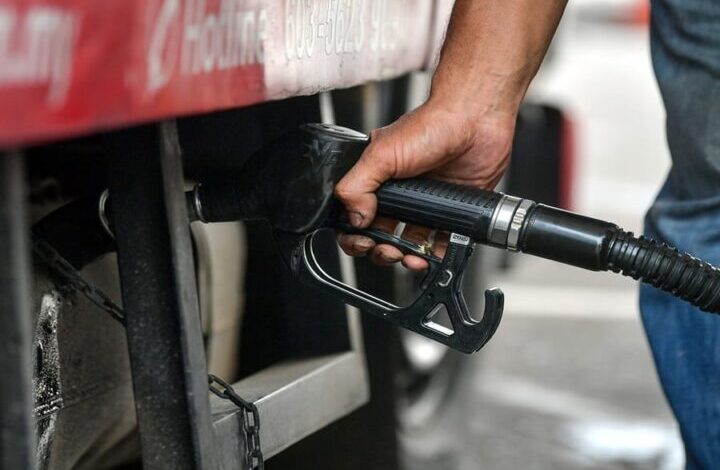
Under the BUDI Diesel programme, qualified recipients are entitled to purchase subsidised diesel at RM2.15 per litre for a flexible quota of up to 200 litres during the current implementation phase. The subsidised rate is scheduled to be revised to RM2.10 per litre once the programme enters full implementation on Wednesday.
The government has indicated that the BUDI Diesel initiative will continue to be refined as implementation progresses. Feedback from motorists, businesses and local communities will remain an important component in evaluating the programme’s effectiveness and identifying areas for further improvement.
Officials believe the latest enhancement reflects a more flexible and user-oriented approach to targeted subsidies. By recognising different household circumstances, particularly in rural Malaysia, the government hopes to improve access for eligible recipients while maintaining transparency, accountability and efficient subsidy management.
The updated mechanism also forms part of the government’s broader economic reform agenda, which seeks to ensure that public assistance reaches intended beneficiaries more effectively while promoting responsible management of public finances and long-term fiscal sustainability.