USNO Withdraws from GRS as Pandikar Amin Resigns from Coalition Leadership

KOTA KINABALU: The United Sabah National Organisation has officially withdrawn from the Gabungan Rakyat Sabah, marking another significant shift in Sabah’s political landscape following internal differences over governance and policy direction.
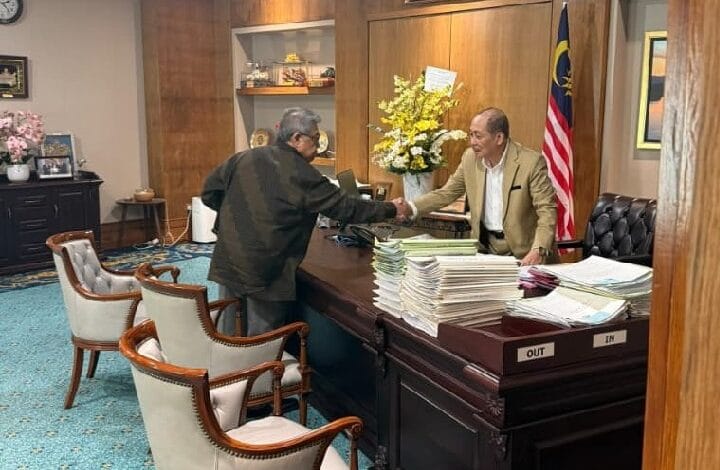
The move comes after USNO president Pandikar Amin Mulia stepped down as deputy chairman of GRS and relinquished all positions linked to the state government. The decision was conveyed during a meeting with Sabah Chief Minister Hajiji Noor, who also serves as chairman of the coalition.
Differences in governance direction
According to the party, evolving differences within the coalition had made it increasingly difficult to maintain cohesion, especially in matters relating to governance priorities and policy implementation.
USNO stressed that its decision was not made lightly, but rather after careful consideration of its role within the coalition and its long-term political objectives.
The party also reaffirmed its commitment to remain an independent political entity focused on championing the rights and interests of Sabah’s indigenous communities, while playing a constructive role in ensuring checks and balances within the state’s political system.
“We will continue to fight for the aspirations of marginalised communities and ensure that their voices are represented,” the statement said.
GRS composition reshaped again
Following USNO’s withdrawal, GRS is now left with five component parties, namely Parti Gagasan Rakyat Sabah, Parti Bersatu Sabah, Liberal Democratic Party, Parti Harapan Rakyat Sabah and Parti Cinta Sabah.
The coalition had already undergone changes prior to this development. In October last year, both Parti Solidariti Tanah Airku and Sabah Progressive Party exited GRS after announcing plans to contest the state election independently.
Political observers view USNO’s departure as another indication of shifting alliances ahead of Sabah’s evolving political landscape. The move could potentially influence future cooperation among local parties, especially as discussions around governance and representation continue to take shape.
Focus on independent political role
USNO said it intends to reposition itself as a party rooted in Sabah’s local identity, with a renewed focus on grassroots engagement and policy advocacy.
The party emphasised that it will remain committed to constructive political participation, including holding the government accountable where necessary.
While expressing appreciation to Hajiji and other coalition partners for past cooperation, USNO reiterated that its decision reflects a strategic recalibration aimed at strengthening its political relevance.
The latest development adds another layer of complexity to Sabah politics, where coalition dynamics have remained fluid in recent years.
Analysts say the coming months will be crucial in determining how political alignments evolve, particularly in the lead-up to future elections and policy negotiations within the state.
-wilayah.com.my