
Youth Under 30 Account for 40pc of BNPL Usage in Malaysia, Raising Financial Concerns

KUALA LUMPUR — The growing popularity of buy-now-pay-later (BNPL) services among Malaysians, particularly younger consumers, has raised concerns after those aged 30 and below were found to account for around 40 per cent of all BNPL transactions in the country.
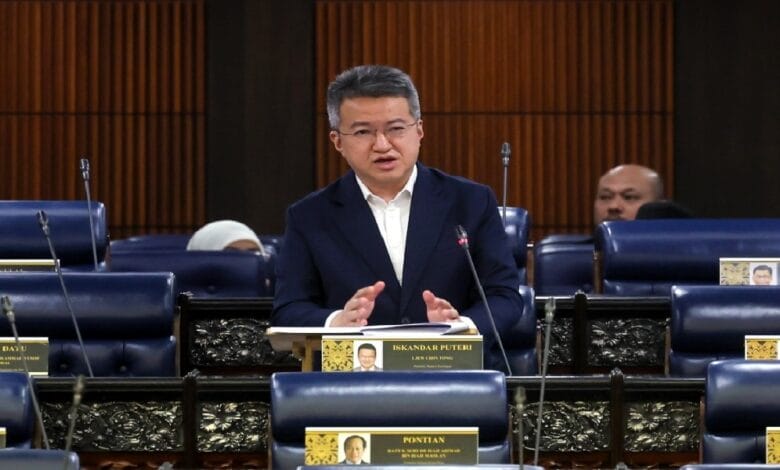
Deputy Finance Minister Liew Chin Tong said that although BNPL currently represents only a small portion of total household debt, the rapid adoption of the payment option among younger users — including for everyday purchases — reflects deeper challenges related to income levels and the rising cost of living.
According to him, the trend highlights broader economic pressures faced by younger generations, particularly in managing personal finances and daily expenses.
Liew noted that one of the key concerns involves credit providers operating outside the existing regulatory framework.
He explained that many BNPL operators, debt collection companies and other service providers functioning outside the traditional financial system are not adequately regulated under current laws.
This situation could expose consumers to risks such as unfair contract terms, hidden fees and aggressive debt collection practices.
He also pointed out that the oversight of Malaysia’s credit industry is currently spread across multiple ministries and regulatory agencies, each operating under its own mandate and standards.
Such fragmentation could lead to inconsistent enforcement and create opportunities for irresponsible behaviour within the consumer credit sector.
Liew made these remarks during the Navigating Malaysia’s New Credit Landscape event held in Kuala Lumpur today.
He said that the government, together with Bank Negara Malaysia (BNM), has introduced various initiatives over the years to prevent households from falling into excessive debt while ensuring that borrowers are treated fairly.
However, the emergence of new risks in the consumer credit market prompted the government to introduce the Consumer Credit Act 2025 (CCA) as part of broader regulatory reforms.
Liew described the Act as a major milestone for Malaysia’s credit landscape as it establishes a more coordinated, consistent and comprehensive framework for regulating consumer credit.
The legislation was passed by Parliament in 2025, gazetted on December 31, 2025, and came into force on March 1, 2026.
A key component of the Act is the establishment of the Consumer Credit Commission (SKP), which will regulate six sectors that were previously unregulated.
These sectors include BNPL providers, leasing and factoring companies, debt collection agencies, impaired loan buyers, and debt counselling and management organisations.
The Act also introduces an advisory committee to strengthen coordination between ministries and agencies, ensuring more consistent enforcement of credit regulations.
Liew said the reforms demonstrate the government’s commitment to providing stronger consumer protection while creating a more transparent and balanced credit industry.
He also highlighted the recent amendments to the Hire-Purchase Act 2025, which replaced outdated interest calculation methods with more transparent approaches as another step toward strengthening Malaysia’s financial system.
Licensing for credit providers and registration for credit service providers will begin on June 1, 2026, with a six-month transition period to support smooth implementation.
According to Liew, the Consumer Credit Commission, which began operations on March 1, 2026, is currently focused on issuing regulatory standards while ensuring that licensing and registration processes proceed smoothly.
He also emphasised the important role played by credit reporting agencies in strengthening the national credit system by providing reliable credit data and insights.
While the Central Credit Reference Information System (CCRIS) remains the primary source of banking-related credit information, credit reporting agencies have the potential to expand access to non-bank credit data.
Such developments could help reduce information gaps and prevent excessive borrowing among consumers.
Liew also encouraged credit reporting agencies to continue innovating, adopt new technologies and strengthen data quality, cybersecurity and interoperability across Malaysia’s credit ecosystem.
-wilayah.com.my