RISDA Expands Support Measures to Shield Smallholders From Global Rubber Price Volatility

KUALA LUMPUR: The Rural and Regional Development Ministry (KKDW), through the Rubber Industry Smallholders Development Authority (RISDA), is strengthening support for Malaysia’s rubber smallholders with a series of programmes aimed at improving productivity, lowering production costs and enhancing market access as global rubber prices remain vulnerable to external economic and geopolitical pressures.
Deputy Rural and Regional Development Minister Datuk Rubiah Awang said the initiatives are designed to help smallholders remain competitive despite fluctuations in natural rubber prices influenced by developments such as geopolitical tensions in the Middle East and volatile global petroleum prices.
She said strengthening the resilience of the smallholder sector is essential to ensuring the long-term sustainability of Malaysia’s rubber industry, particularly as many rural communities continue to depend on rubber cultivation as a primary source of income.
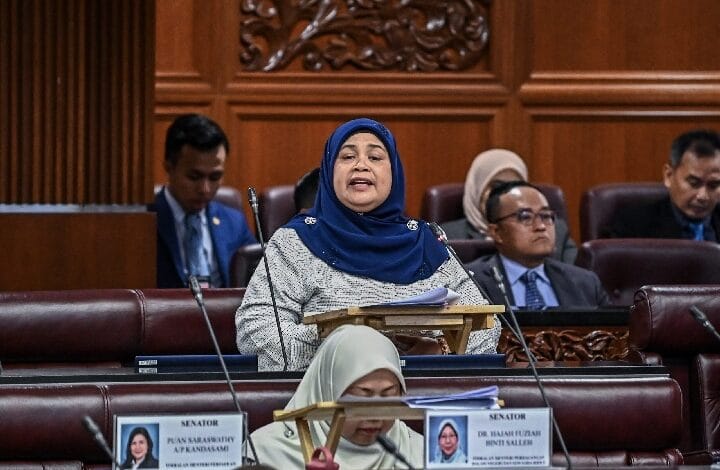
Responding to a question from Senator Datuk Dr Haji Mustafa Musa during the Dewan Negara sitting on Tuesday, Rubiah outlined several programmes currently being implemented by RISDA to reduce the financial burden on rubber producers while improving overall productivity.
Among the flagship initiatives is the Mature Rubber Production Programme (Program Pengeluaran Hasil Getah Matang, PHGM), which provides agricultural inputs including fertilisers, tapping equipment, latex stimulants and plantation maintenance assistance.
According to Rubiah, the programme helps smallholders reduce production expenses while improving both the quantity and quality of rubber harvested.
She said RISDA is also strengthening the marketing ecosystem through its Rubber Marketing Facility Programme (FASGET), which establishes collection depots for scrap rubber and latex.
The depots allow produce from multiple smallholders to be consolidated before being sold in bulk, reducing transportation costs, improving logistical efficiency and strengthening the bargaining position of producers when negotiating prices.
To improve access for growers in remote areas, RISDA has also introduced the Mobile Rubber Marketing Programme (PGB), which purchases rubber directly from smallholders through mobile collection services.
Rubiah said the initiative enables producers in rural communities to sell their rubber more conveniently, reducing travel time and transportation expenses while providing greater access to official marketing channels that offer competitive prices.
In addition, RISDA has expanded its role in the rubber supply chain through the RISDA as the Main Rubber Buyer programme, implemented by RISDA Plantation Sdn Bhd (RPSB).
Under the initiative, RPSB functions as a major purchaser of rubber, offering a more organised and transparent marketing channel while buying rubber based on prevailing market prices.
Rubiah said the company also applies a minimum purchase discount policy intended to ensure smallholders receive more favourable returns for their produce.
She added that the approach helps reduce reliance on middlemen, encourages healthier price competition within the market and ultimately improves income for rubber smallholders.
Malaysia remains one of the world’s important producers of natural rubber, and the government continues to prioritise measures that strengthen the sector’s resilience against global market uncertainties while safeguarding the livelihoods of rural communities that depend on the commodity.