Anwar Reaffirms Malaysia’s Neutral Foreign Policy to Strengthen Global Investment and Technology Partnerships

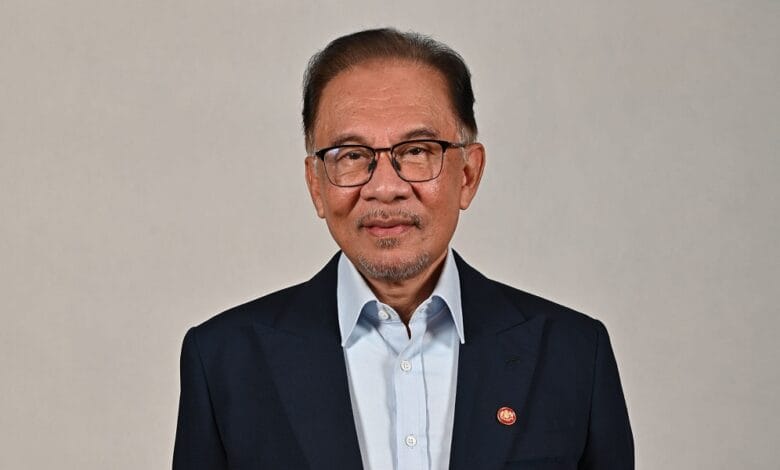
SERDANG: Prime Minister Datuk Seri Anwar Ibrahim has reaffirmed Malaysia’s commitment to maintaining constructive relations with major global powers, saying the country’s balanced foreign policy remains essential for attracting high-value investments and strengthening its position in emerging technology industries.
Speaking at the closing ceremony of MyDrone Expo 2026 at the Malaysia Agro Exposition Park Serdang (MAEPS), Anwar said Malaysia’s continued engagement with leading economies allows the country to remain competitive in strategic sectors including semiconductors, artificial intelligence (AI), data centres, quantum computing and drone technology.
He stressed that Malaysia, as a relatively small trading nation, must continue building partnerships with countries across different regions while avoiding alignment with competing geopolitical blocs.
According to the Prime Minister, maintaining diplomatic flexibility enables Malaysia to pursue economic opportunities that benefit national development regardless of shifting international political dynamics.
“As a smaller economy, Malaysia must remain focused on its priorities and continue engaging with countries around the world to seize opportunities in technology, investment and innovation.
“We have strong ties with the United States, which remains one of our largest trading partners and investors. At the same time, China is also an important strategic partner with whom we maintain extensive bilateral cooperation,” he said.
Anwar added that Malaysia would also continue strengthening relations with Russia and other countries based on mutual respect, national interests and independent foreign policy principles.
He emphasised that the country’s diplomatic approach is founded on friendship with all nations rather than choosing sides in global geopolitical rivalries.
The Prime Minister acknowledged that ongoing international uncertainties, including conflicts in West Asia, continue affecting the global economy.
However, he stressed that Malaysia should remain focused on domestic priorities rather than allowing external developments to distract from its long-term economic agenda.
He identified advanced technology sectors—including semiconductors, AI, digital infrastructure, data centres, quantum technologies and unmanned aerial vehicles—as among the government’s highest priorities for sustaining future economic growth.
According to Anwar, continued investment in these industries will strengthen Malaysia’s competitiveness while creating new opportunities for innovation, high-value employment and industrial development.
He also highlighted political stability, consistent economic policies and ongoing efforts to strengthen governance and combat corruption as key factors that continue attracting foreign investors to Malaysia.
Despite being a multicultural society with diverse ethnic and religious communities, Malaysia has maintained peace, stability and mutual respect, qualities that international investors regard as important when making long-term investment decisions, he said.
As an example of growing international confidence, Anwar pointed to Turkmenistan’s decision to award major gas development opportunities to Petroliam Nasional Berhad (Petronas).
He noted that although Turkmenistan had received attractive proposals from several leading global energy companies, it ultimately selected Petronas because of Malaysia’s strong bilateral relationship, political stability and clear economic policy direction.
The Prime Minister said such developments demonstrate that consistent diplomacy, economic credibility and international cooperation remain important competitive advantages for Malaysia.
Looking ahead, he reaffirmed that the government will continue strengthening global partnerships while positioning Malaysia as a preferred destination for high-technology investment, ensuring sustainable economic growth amid an increasingly uncertain international landscape.