Whistleblower Data Leaks Could Undermine Investigations and Endanger Informants, Says Legal Expert

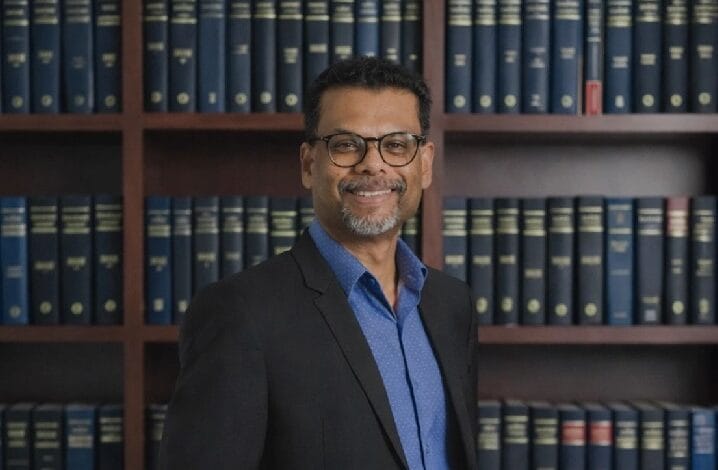
KUALA LUMPUR: Unauthorised disclosure of documents or information related to whistleblowers could seriously disrupt investigations, expose informants to significant risks and weaken public confidence in the justice system, according to legal expert Datuk J. Shamesh.
He said confidentiality is a fundamental element in any investigative process, as leaks involving sensitive information may compromise evidence gathering, alert suspects and ultimately affect the integrity of legal proceedings.
According to Shamesh, premature disclosure of investigation-related information could allow suspects to destroy evidence, influence witnesses or alter their strategies to evade prosecution.
“When confidential information is leaked, it does not merely warn those under investigation.
“It can disrupt the entire process of collecting, preserving and presenting evidence, and in certain situations may even affect the admissibility of evidence in court,” he said.
Shamesh was commenting on the importance of safeguarding whistleblower information, noting that such individuals often play a crucial role in exposing misconduct, corruption and other unlawful activities.
He stressed that whistleblowers must feel protected and secure when coming forward with information, without fear of retaliation or harm.
“If whistleblowers believe their identities or the information they provide could be exposed, many may choose to remain silent.
“That would make it more difficult for authorities to uncover wrongdoing and enforce the law effectively,” he said.
According to him, confidentiality is therefore essential not only to protect individuals but also to preserve public trust in investigative institutions.
Shamesh pointed out that Malaysia’s legal framework already provides safeguards through the Whistleblower Protection Act 2010.
He explained that Section 10 of the Act specifically makes it an offence to disclose information relating to a whistleblower without proper authorisation.
“The law is designed to ensure that information submitted to the authorities remains confidential and that whistleblowers are protected from unnecessary exposure.
“This protection is crucial because whistleblowers often take considerable personal risks when reporting misconduct,” he said.
Beyond legal implications, Shamesh said information leaks could have serious consequences for whistleblowers in their personal and professional lives.
He noted that individuals whose identities are exposed may face intimidation, harassment, threats to their safety, reputational damage or even career setbacks.
“The consequences are not limited to legal matters.
“In some cases, whistleblowers may become targets of pressure or intimidation that affects their emotional wellbeing and personal security,” he said.
Shamesh added that whistleblowers who believe their identities or confidential documents have been leaked still have legal avenues available to them.
These include lodging police reports, filing civil suits to seek compensation for damages and applying for injunctions to prevent further dissemination of confidential information.
He also highlighted that Section 7 of the Whistleblower Protection Act provides additional safeguards for individuals who qualify for protection under the legislation.
“The purpose of these protections is to encourage the reporting of wrongdoing while ensuring whistleblowers are shielded from adverse consequences.
“A strong protection system is essential if society is to continue supporting transparency, accountability and the rule of law,” he said.
Shamesh emphasised that protecting whistleblowers requires more than legislation alone.
He said authorities, institutions and society as a whole must uphold the principle of confidentiality to ensure individuals remain confident in coming forward with information that serves the public interest.
“Only when whistleblowers feel safe can investigations be carried out effectively and justice be served without fear or interference,” he said.