
Rising RM64.3 Billion NCD Bill Forces Malaysia to Rethink Healthcare Priorities

HULU LANGAT, Feb 8 — Malaysia’s annual RM64.3 billion spending on non-communicable diseases (NCDs) is emerging as a major strain on the national healthcare system, prompting policymakers to recalibrate priorities away from hospital-centric treatment towards prevention and community-based care.
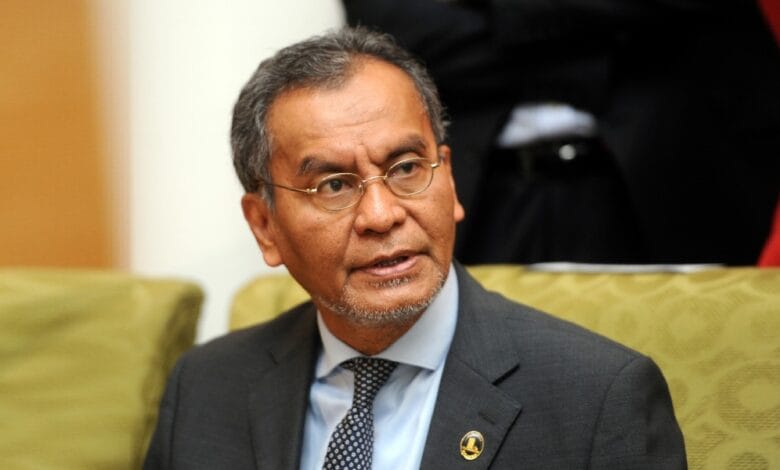
Health Minister Dzulkefly Ahmad said the escalating cost of managing chronic illnesses such as diabetes, hypertension and cardiovascular disease is no longer sustainable if the country continues to rely primarily on curative services.
The figure significantly exceeds the Ministry of Health’s RM46.52 billion annual allocation, underscoring how lifestyle-related diseases are driving healthcare expenditure beyond planned budgets.
Speaking at the launch of the Hulu Langat Wellness Hub in Bandar Seri Putra, Dzulkefly described the situation as a clear signal that Malaysia must transition from a reactive “treat-the-sick” model to a preventive healthcare framework that empowers individuals to manage their health risks.
Hulu Langat illustrates the urgency of this shift. Over the past two years, 2,847 new diabetes cases were recorded in the district, reflecting a cumulative increase of more than 10 per cent. Such trends, he said, point to the need for earlier intervention before chronic conditions progress into costly complications.
Beyond healthcare costs, Dzulkefly highlighted the broader economic consequences of NCDs, including reduced workforce participation, long-term disability and rising dependency ratios as the population ages.
The Wellness Hub initiative forms a central pillar of Malaysia’s healthcare reform agenda. These hubs integrate early screening, nutrition counselling, lifestyle guidance and behavioural science approaches to help individuals adopt healthier habits without relying solely on clinical treatment.
“This is about shifting care closer to communities and equipping people with the knowledge to make informed decisions about their own health,” Dzulkefly said.
A key focus of the programme is early-life prevention, particularly addressing childhood stunting and malnutrition through structured support during pregnancy and the first 1,000 days of a child’s life — a period critical to long-term health outcomes.
Preventive care is also essential as Malaysia prepares for an ageing society. Dzulkefly noted that the Wellness Hub model complements the Senior Citizens Package under the MOH Strategic Plan 2026–2030, which aims to promote healthy ageing and reduce dependence on institutional care.
To date, more than two million Malaysians have accessed Wellness Hub services nationwide, with over 19,000 users recorded in Hulu Langat alone last year. The network has expanded to 38 centres, reflecting growing demand for preventive health services.
Dzulkefly stressed that meaningful reform requires shared responsibility between government and citizens.
“Every prevented illness reduces pressure on hospitals and saves public funds. Prevention is not just a health strategy — it is an economic necessity,” he said.
-wilayah.com.my