Malaysia’s Energy Policies Must Evolve To Meet Growing Green Power Demand, Says Fadillah

KUALA LUMPUR: Malaysia will continue strengthening and adapting its energy policies and regulatory framework in line with changing global economic trends and industrial demands, particularly involving sustainable and green energy development.
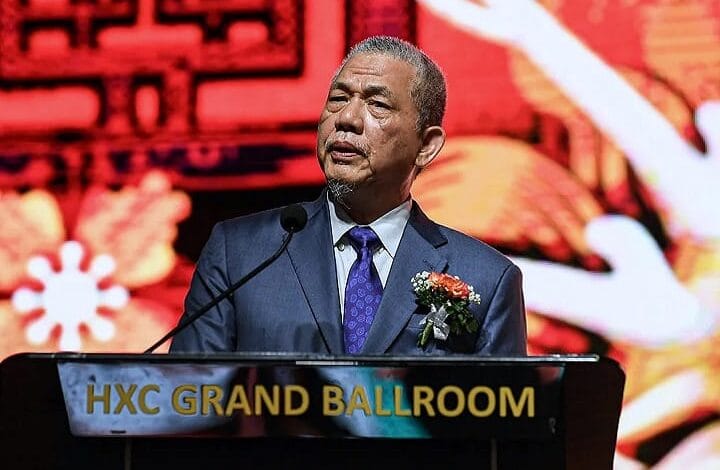
Deputy Prime Minister and Minister of Kementerian Peralihan Tenaga dan Transformasi Air (PETRA), Fadillah Yusof said the move is necessary to meet rising demand for green electricity supply from multinational corporations, data centres, the electrical and electronics (E&E) industry, high-tech manufacturing sectors and export-oriented businesses.
He said the government recognises that the energy transition agenda is no longer solely about environmental concerns, but is also closely linked to economic competitiveness, high-quality investments, industrial development, energy security and national resilience.
“The national energy policy is guided by the principle of the ‘energy trilemma’, which balances energy security, affordability and environmental sustainability.
“The government must ensure that the implementation of the energy transition is carried out in a balanced manner without affecting grid stability or unnecessarily burdening consumers,” he said in a Facebook post today.
Renewable Energy Target Set For 2050
Fadillah Yusof said that achieving the aspirations outlined under the Pelan Hala Tuju Peralihan Tenaga Negara (NETR) would require a more innovative, flexible and investment-friendly market approach.
Malaysia has set a long-term target of achieving 70 per cent renewable energy capacity by 2050 while maintaining its policy of not developing new coal-fired power plants in the future.
In this context, he said the Corporate Renewable Energy Supply Scheme (CRESS), introduced on July 26, 2024 under the GREENS MADANI initiative, is among the government’s strategic measures to expand access to green electricity through an open-access approach using the country’s existing national grid infrastructure.
“Through this framework, corporate consumers can obtain renewable energy electricity directly from renewable energy developers without requiring dedicated private transmission infrastructure,” he said.
CRESS Seen As Economic Catalyst
According to him, the government views CRESS not merely as a renewable energy programme, but also as a key economic catalyst supporting green investments, environmental, social and governance (ESG) commitments, corporate decarbonisation efforts, digital economic growth and Malaysia’s long-term regional competitiveness.
Earlier, Fadillah Yusof attended a CRESS engagement session involving about 200 participants at Dewan Baiduri in PETRA, Putrajaya.
He said the strong participation reflected the commitment of stakeholders in supporting the country’s energy transition agenda and the development of a more progressive and sustainable green energy ecosystem.
Discussions Covered Grid Readiness And Energy Storage
The engagement session also discussed several important issues including national grid readiness, the use of Battery Energy Storage Systems (BESS), project financing, cost structures, regulatory considerations and the long-term direction of Malaysia’s corporate green energy market.
The government hopes continued collaboration between public and private sectors will accelerate the development of sustainable energy infrastructure while strengthening Malaysia’s position as a regional hub for green energy and the digital economy.