
Malaysia Aligns Energy Policies With Global Industrial Transformation And Green Energy Demand

PUTRAJAYA: Malaysia will continue strengthening and adapting its national energy policies and regulatory framework in line with changing global economic trends and industrial demands, particularly involving green energy and high-technology sectors.
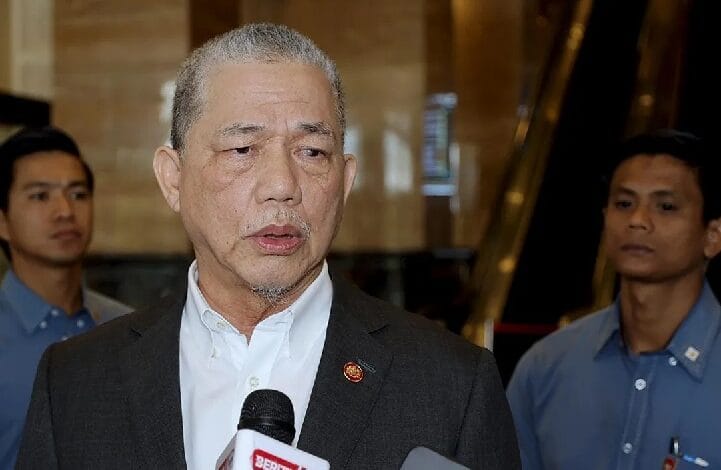
Deputy Prime Minister and Minister of Kementerian Peralihan Tenaga dan Transformasi Air (PETRA), Fadillah Yusof said the move is crucial to meet growing demand for green electricity among multinational corporations, data centres, electrical and electronics (E&E) industries, advanced manufacturing sectors and export-oriented businesses.
According to him, Malaysia’s energy policies remain guided by the “energy trilemma” principle, which balances energy security, affordability and environmental sustainability.
“The government must ensure that the energy transition is implemented in a balanced manner without compromising grid stability or unnecessarily burdening consumers,” he said while chairing a strategic engagement session on the Corporate Renewable Energy Supply Scheme (CRESS) in Putrajaya.
The engagement session, held at Dewan Baiduri in PETRA, involved approximately 200 participants from various energy and industrial sectors.
Malaysia Targets 70 Per Cent Renewable Energy Capacity By 2050
Fadillah Yusof said that under the Pelan Hala Tuju Peralihan Tenaga Negara (NETR), Malaysia has established a long-term target to achieve 70 per cent renewable energy capacity by 2050.
At the same time, the government has also committed to stopping the development of new coal-fired power plants in the future.
He stressed that achieving these ambitions will require more innovative, flexible and investment-friendly energy market mechanisms.
“The government recognises that the energy transition agenda is no longer solely an environmental issue. It is now closely linked to economic competitiveness, high-quality investments, industrial growth, energy security and national resilience,” he said.
CRESS Positioned As Catalyst For Green Investments
He explained that the Corporate Renewable Energy Supply Scheme (CRESS), introduced in July 2024 under the GREENS MADANI initiative, is one of the government’s strategic efforts to expand access to green electricity through an open-access approach using the country’s existing national grid infrastructure.
Through this framework, corporate consumers can directly obtain renewable energy supply from green energy developers without the need to build dedicated private transmission systems.
The government views CRESS not merely as a renewable energy initiative, but as an important catalyst supporting green investments, ESG commitments, corporate decarbonisation efforts, digital economic growth and Malaysia’s long-term regional competitiveness.
Discussions Include Grid Readiness And Energy Storage
The strategic session also discussed various critical issues including national grid readiness, the implementation of Battery Energy Storage Systems (BESS), project financing, cost structures, regulatory considerations and the future direction of Malaysia’s corporate green energy market.
Fadillah Yusof expressed hope that the engagement session would serve as an open platform for stakeholders to exchange views, proposals and feedback to further strengthen the implementation of CRESS.
He added that close collaboration between the government, energy industry players and the corporate sector remains essential to ensure Malaysia’s energy transition agenda can be implemented sustainably and effectively.