Lawyers Reject Claims of Non-Cooperation, Question Use of SOSMA in Investigation

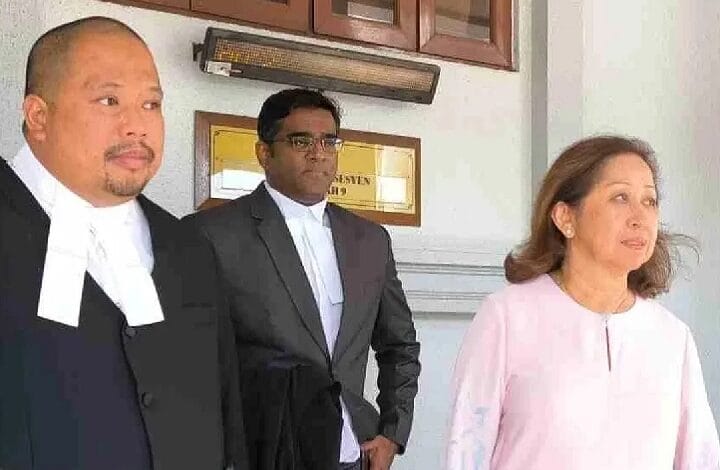
PETALING JAYA: Lawyers representing Na’imah Abdul Khalid have rejected claims that she and her two children could not be contacted by authorities in connection with an investigation under Section 124B of the Penal Code.
The legal team argued that statements suggesting their clients were unreachable do not accurately reflect the level of cooperation that has been provided throughout the investigation.
In a statement issued today, the lawyers said a formal written response was submitted to police on the same day the notice was received.
According to them, communication with investigators has been conducted through legal representatives and there has been no refusal to cooperate.
“Our clients have remained accessible through their legal counsel and have consistently extended cooperation in matters related to the investigation,” the statement said.
The lawyers further claimed that the investigation originated from a police report lodged by a former employee who had previously been dismissed from service.
They questioned the scale of the investigation and the resources deployed in response to the complaint.
According to the legal team, the decision to record statements from numerous individuals raises concerns about whether the actions taken were proportionate to the allegations involved.
A major focus of their criticism centred on the use of Section 124B of the Penal Code and its connection to investigations conducted under the Security Offences (Special Measures) Act 2012, commonly known as SOSMA.
The lawyers argued that the application of provisions associated with national security legislation in this case warrants closer scrutiny.
They claimed there appeared to be inconsistencies in how similar matters have been handled in other cases.
In particular, the legal team referred to previous police reports involving Nurul Izzah Anwar and questioned whether comparable investigative standards had been applied.
According to the lawyers, equal legal principles should be used whenever authorities assess allegations that may fall under the same statutory provisions.
They further expressed concern that employing SOSMA in a matter involving private individuals could establish a precedent with wider implications for future investigations.
The legal team noted that the legislation was originally introduced to address serious threats to national security, including terrorism-related offences and other security risks.
As a result, they questioned whether its use in the present circumstances is appropriate and proportionate.
The lawyers warned that the issue could spark broader discussions regarding the limits of security legislation and the need to preserve principles of fairness and consistency in law enforcement.
The case continues to attract public attention as investigations remain ongoing and involve individuals with significant public profiles.
No final determination has been made regarding the allegations, and the matter remains under investigation by the relevant authorities.