
KUSKOP Moves to Modernise Cooperative Sector with New Legislation and Ar-Rahnu Reforms

BUTTERWORTH: The Ministry of Entrepreneur Development and Cooperatives (KUSKOP) is taking steps to modernise Malaysia’s cooperative sector through the drafting of a new Cooperatives Act while introducing reforms aimed at improving the efficiency and affordability of cooperative-based Ar-Rahnu services.
Minister of Entrepreneur Development and Cooperatives Steven Sim Chee Keong said the proposed legislation will replace the Cooperatives Act 1993, providing a more contemporary legal framework capable of supporting the sector’s evolving role within Malaysia’s economy.
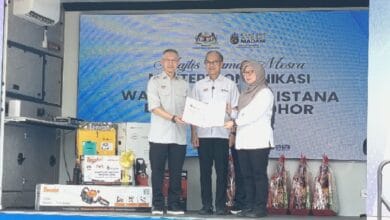
Speaking after officiating the National Cooperatives Day celebration and the launch of the Top 100 Cooperatives Profile 2026 at the PICCA Convention Centre @ Butterworth Arena, Steven said the new law is intended to reform cooperative administration and streamline procedures involving business operations and investment activities.
According to him, the ministry is currently drafting the legislation with the objective of strengthening governance while creating a regulatory environment that better reflects present-day economic requirements.
Beyond legislative reforms, KUSKOP also announced new measures involving cooperative-operated Ar-Rahnu services. Beginning in September 2026, the ministry will abolish the existing 2.5 per cent fee charged on pledged asset values, a move expected to reduce costs for customers using Islamic pawn financing services.
Steven said the decision follows significant expansion within the cooperative Ar-Rahnu sector, which recorded revenue growth from RM1.6 billion in 2024 to RM17 billion in 2025, representing an increase of approximately 993 per cent.
The ministry believes the sector’s stronger financial performance provides greater flexibility to introduce measures that directly benefit consumers while supporting continued industry growth.
In addition, cooperatives offering Ar-Rahnu services will be permitted to dispose of unredeemed pledged items through a tender system as an alternative to the existing public auction and electronic auction mechanisms.
The new tender option, which will also take effect in September 2026, is expected to improve operational transparency, lower implementation costs and create a more flexible and competitive disposal process for participating cooperatives.
Steven said the combination of legislative reforms and operational improvements reflects KUSKOP’s broader strategy to strengthen the cooperative movement and ensure it remains competitive within Malaysia’s changing economic landscape.
The ministry expects the proposed Cooperatives Act to provide a stronger foundation for governance, business expansion and investment activities, while the Ar-Rahnu initiatives are intended to improve service delivery and enhance the overall value offered by cooperative institutions.
Through these reforms, KUSKOP aims to position the cooperative sector as a more dynamic contributor to national economic development by encouraging stronger governance, improving operational efficiency and expanding opportunities for sustainable business growth across Malaysia’s cooperative ecosystem.