
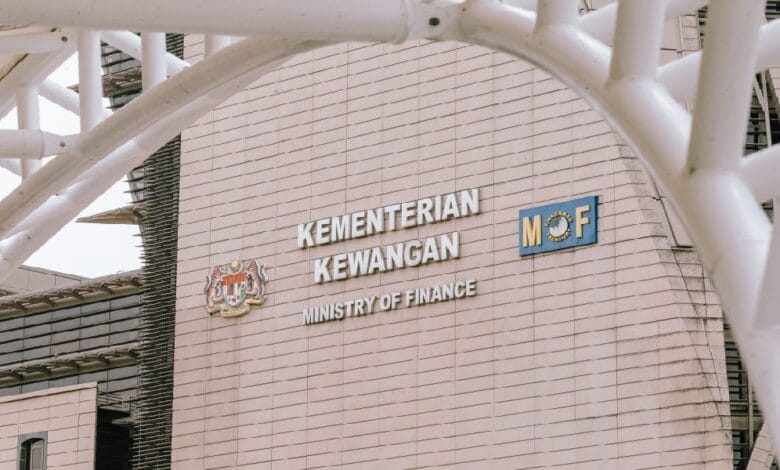
Government Speeds Up RESET Strategy to Address Rising Health Insurance Premiums and Private Hospital Costs

PETALING JAYA: The Malaysian government is accelerating a series of healthcare reforms under its RESET Strategy as part of broader efforts to address rising medical insurance premiums and increasing charges imposed by private hospitals.
According to the Ministry of Finance, one of the immediate priorities is the implementation of a pilot programme for the Malaysia Health Insurance and Takaful (MHIT) Basic Plan, which is scheduled to commence before the end of July.
The initiative is being coordinated through the Joint Ministerial Committee on Private Healthcare Costs (JBMKKS), co-chaired by Finance Minister II Datuk Seri Amir Hamzah Azizan and Health Minister Datuk Seri Dr Dzulkefly Ahmad.
The ministry said the committee has carefully reviewed the findings and recommendations recently presented by the Public Accounts Committee (PAC), which highlighted growing concerns over escalating private healthcare expenses and increasing health insurance premiums.
Officials noted that many of the PAC’s recommendations complement the objectives already outlined under the RESET Strategy, reinforcing the government’s ongoing reform agenda for Malaysia’s healthcare financing system.
As a result, the committee will examine each recommendation in detail and incorporate suitable proposals into the current reform programme to strengthen implementation and improve policy effectiveness.
The ministry explained that the reforms extend beyond simply managing healthcare costs and instead focus on creating a more transparent, sustainable and efficient healthcare ecosystem involving regulators, insurers, hospitals and patients.
Among the key initiatives currently being introduced is the adoption of the Diagnosis-Related Group (DRG) payment model, which aims to standardise healthcare reimbursement and improve transparency in medical billing.
The government believes the DRG approach will help reduce unnecessary cost variations while encouraging greater efficiency among healthcare providers.
At the same time, authorities are working to improve transparency surrounding treatment prices and the underlying factors contributing to medical inflation.
Additional reforms include strengthening industry-wide healthcare data standards, improving dispute resolution mechanisms and enhancing cooperation between healthcare providers, insurance companies and takaful operators.
According to the ministry, the RESET Strategy represents a collaborative effort involving policymakers, regulatory agencies, insurers, takaful providers, private hospitals and other healthcare stakeholders.
Such cooperation is considered essential to ensuring reforms can be implemented effectively without compromising healthcare quality or limiting patients’ access to necessary medical treatment.
The committee reaffirmed that the primary objective of the RESET Strategy is to maintain long-term sustainability within Malaysia’s private healthcare sector while ensuring medical services remain affordable and accessible to the public.
Authorities also hope the upcoming MHIT Basic Plan will provide Malaysians with a more affordable insurance option capable of easing financial pressure, particularly among middle-income and lower-income households facing rising healthcare expenses.
The Ministry of Finance said JBMKKS will continue monitoring the progress of every initiative under the RESET Strategy and is expected to provide further updates following its next committee meeting in July.
The government believes these reforms will lay the foundation for a more transparent healthcare financing system that balances affordability, sustainability and quality while supporting the long-term resilience of Malaysia’s healthcare sector.