Government Ready to Table Attorney General-Prosecutor Separation Bill as Key Institutional Reform

PUTRAJAYA: The government is preparing to move forward with one of its most significant institutional reform initiatives by reintroducing legislation to separate the constitutional roles of the Attorney General and the Public Prosecutor during the current Parliamentary sitting.
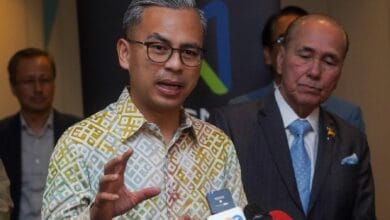
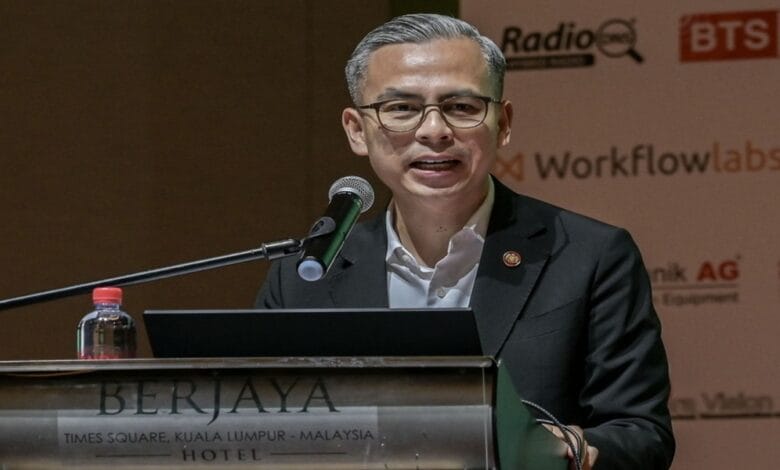
Communications Minister Datuk Fahmi Fadzil said the proposed constitutional amendment was among the key matters discussed during the Cabinet meeting on Friday, reflecting the administration’s continued commitment to strengthening governance, institutional independence and the country’s justice system.
According to Fahmi, the proposed Bill has undergone extensive consultation and scrutiny, including detailed examination by the Parliamentary Special Select Committee, before being finalised for presentation to the Dewan Rakyat.
He said feedback gathered throughout the consultation process, including recommendations made by Members of Parliament from both the government and opposition benches, had been incorporated into the revised draft.
The minister noted that the amendments demonstrate the government’s willingness to refine the proposed legislation through bipartisan engagement rather than proceeding without considering differing viewpoints.
Speaking during the post-Cabinet press conference, Fahmi described the separation of the Attorney General and Public Prosecutor as one of the administration’s major institutional reform priorities.
He said Cabinet remains fully committed to implementing the proposal, which has long been regarded as an important step towards strengthening prosecutorial independence and reinforcing public confidence in the legal system.
Fahmi explained that the government is now prepared to table the revised Bill for debate and approval in Parliament after completing the review process.
However, he pointed out that because the proposal involves amendments to the Federal Constitution, it will require support from at least two-thirds of Members of Parliament before it can become law.
For that reason, he expressed hope that lawmakers from all political parties would evaluate the proposal based on its long-term benefits for the country rather than partisan considerations.
He also questioned whether opposition MPs would support the legislation, noting that many of the concerns addressed by the proposed reforms had previously been raised by legislators across the political divide.
According to Fahmi, separating the functions of Attorney General and Public Prosecutor goes beyond an administrative restructuring exercise.
Instead, the reform seeks to establish greater independence for prosecutorial decision-making by ensuring that prosecutorial functions operate separately from executive influence.
The government believes such a framework would further strengthen public trust in Malaysia’s legal institutions while enhancing transparency, accountability and constitutional checks and balances.
The Constitution (Amendment) (No. 2) Bill 2026 relating to the separation of the two offices was first introduced for its initial reading in the Dewan Rakyat on February 23.
Following its second reading on March 3, Parliament referred the Bill to the Parliamentary Special Select Committee for comprehensive examination before any final decision was made.
During that period, the committee conducted consultation sessions and considered numerous proposals submitted by Members of Parliament and other stakeholders aimed at improving the legislation.
Fahmi said those recommendations have since been incorporated into the updated draft presented to Cabinet.
He stressed that institutional reform remains an ongoing process requiring cooperation across political boundaries to ensure stronger democratic institutions, enhanced judicial independence and greater integrity within Malaysia’s constitutional framework.
Should Parliament approve the Bill with the required constitutional majority, the reform would represent one of the country’s most significant legal and institutional changes in recent years, fundamentally redefining the relationship between the Attorney General’s Chambers and the prosecution service.