
Malaysia Has Biodiesel Supply Advantage, but Infrastructure Gap Slows Full Transition

KUANTAN, April 17 – Malaysia’s ability to fully transition to B100 biodiesel is supported by strong palm oil production, but infrastructure limitations continue to slow progress toward nationwide adoption.
FELDA chairman Ahmad Shabery Cheek said the country’s production levels provide a solid foundation for replacing conventional diesel.
Supply Capacity Is Sufficient
Malaysia produces around 20 million tonnes of palm oil annually, far exceeding the volume needed for biodiesel substitution.
Only five to six million tonnes would be required to fully replace diesel consumption.
Gap Between Potential and Implementation
Despite this advantage, large-scale deployment remains constrained by limited processing capacity.
High Costs and Long Timelines
Building new biodiesel plants involves substantial investment and lengthy development periods, slowing the transition.
Policy Support as a Key Driver
Tax incentives have been identified as a practical approach to encourage private sector investment and accelerate industry growth.
Pilot Projects as Early Testing Grounds
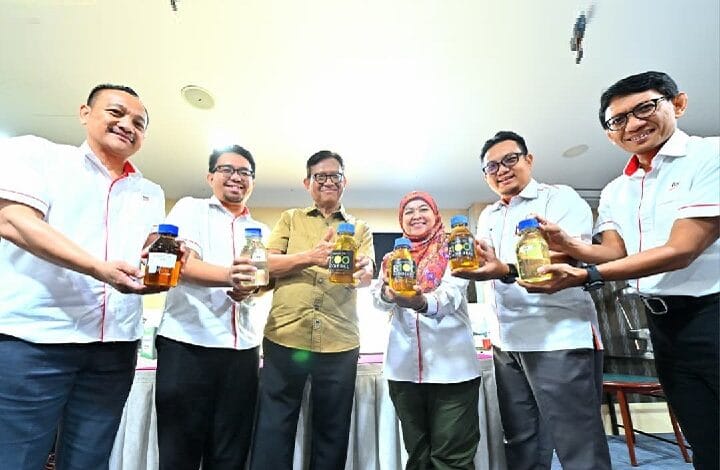
A pilot initiative by FGV Holdings Berhad is currently evaluating real-world performance of B100.
Domestic Economic Impact
Increased biodiesel usage could boost local demand for palm oil, reducing reliance on export markets.
FELDA Leading Initial Adoption
FELDA plans to implement B100 within its own operations, including machinery and vehicles.
Supporting Energy Transition Goals
The move aligns with broader efforts to promote renewable and cleaner energy sources.
Towards a Balanced Energy Strategy
Biodiesel could become a key component in Malaysia’s long-term energy mix, balancing sustainability and resource utilisation.
-wilayah.com.my