
Private Wireless Networks Seen as Key to Energy Security and Grid Resilience

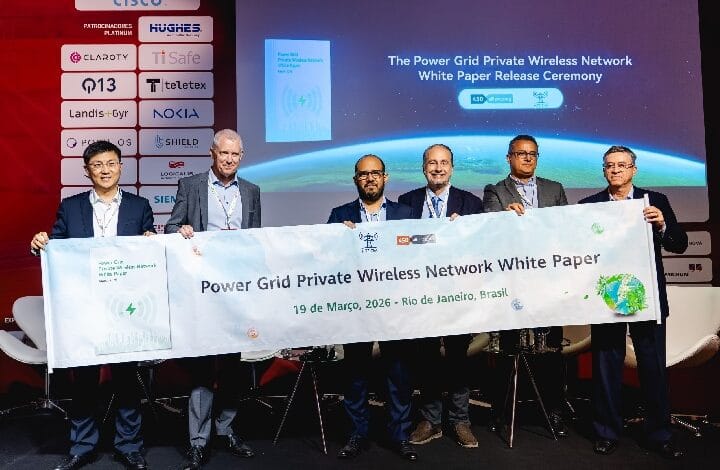
RIO DE JANEIRO, April 17 – Private wireless networks are increasingly being recognised as a strategic tool in strengthening energy security and ensuring the resilience of modern power grids.
A white paper released by Huawei highlights the growing importance of communication systems in maintaining stable and reliable energy infrastructure.
Communication as Strategic Infrastructure
In today’s energy landscape, communication networks are no longer secondary systems.
They are now central to ensuring the stability and efficiency of grid operations.
Focus on System Resilience
Modern grids must respond quickly to disruptions, requiring reliable and real-time communication capabilities.
Challenges in Distribution Networks
The distribution layer, connecting power systems to end users, faces the greatest challenges due to its complexity and scale.
Limitations of Legacy Infrastructure
Traditional communication systems struggle to meet current demands for security, scalability and performance.
Advantages of Private Wireless Solutions
Private LTE and 5G networks offer greater control, enhanced security and improved operational flexibility.
Improving Operational Efficiency
Real-time connectivity enables better monitoring, maintenance and control of grid systems.
Supporting Renewable Energy Integration
As renewable energy sources expand, communication networks play a critical role in managing variability.
Impact on National Competitiveness
Countries that invest in advanced grid communication technologies stand to gain in both energy security and economic competitiveness.
Towards Future-Ready Infrastructure
The shift reflects a broader move toward more secure, intelligent and resilient energy systems.
-wilayah.com.my