Asia’s Energy Shift Accelerates as Renewables Become Economic Imperative

KUALA LUMPUR, April 2 — Asia’s transition toward renewable energy is entering a more advanced phase, with the shift now increasingly driven by economic demands and technological expansion rather than environmental considerations alone.
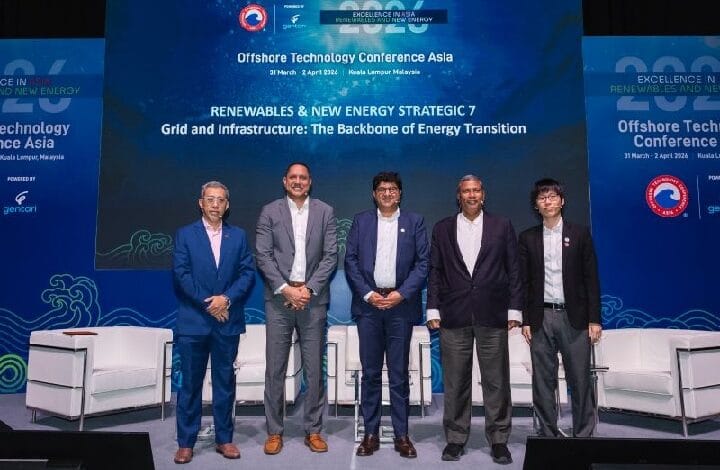
Gentari’s head of strategy and portfolio, M. Huzaini Ghazali, said the region’s energy transformation has been building steadily over the years and is now gaining stronger traction as countries adapt to rising energy needs.
He explained that renewable energy is becoming a cornerstone of economic planning, particularly as industries expand and digital infrastructure grows across the region.
“This transition has been evolving for some time, and we are now seeing it take a more defined and sustained direction,” he said during a presentation at the Offshore Technology Conference in Kuala Lumpur.
Grid Stability Emerges as Key Challenge
While the cost of renewable energy technologies continues to decline, ensuring a stable and reliable energy supply remains a critical issue.
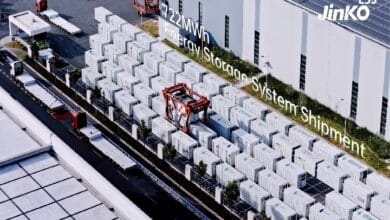
Huzaini pointed out that renewable sources such as solar and wind are inherently variable, requiring advanced grid systems and energy storage solutions to maintain consistent output.
“The challenge is no longer about cost, but about stability and reliability. We need infrastructure that can support these energy sources effectively,” he said.
In Malaysia, solar energy combined with battery storage is gaining traction, but further improvements in grid capacity are needed to handle increasing demand.
Large-scale transmission upgrades, including high-voltage networks, are expected to play a crucial role in supporting future growth.
Digital Expansion Drives Energy Demand
At the same time, the rapid expansion of data centres and artificial intelligence (AI) technologies is significantly increasing electricity consumption.
Huzaini noted that this surge in demand is placing additional strain on existing energy systems, requiring more strategic planning and investment.
Unpredictable weather patterns in tropical regions further complicate the situation, highlighting the need for flexible and adaptive energy systems.
Natural gas continues to serve as a stabilising factor, complementing renewable energy by providing a reliable backup when needed.
Regional Cooperation Strengthens Energy Security
On the regional front, initiatives such as the ASEAN Power Grid are seen as essential in balancing supply and demand across Southeast Asia.
Huzaini explained that each country brings unique strengths, from hydropower in Laos to wind energy in Vietnam and solar capacity in Malaysia, which can be shared through interconnected systems.
Gentari is actively involved in cross-border projects aimed at supplying renewable energy to Singapore, utilising a mix of solar, offshore wind, and subsea cable infrastructure.
The company aims to support energy transfer capacity of up to six gigawatts by 2035, reflecting the scale of regional collaboration underway.
Policy Stability Key to Attracting Investment
Huzaini emphasised that long-term investment in energy infrastructure depends heavily on clear policies and stable regulatory frameworks.
He said investors are more likely to commit capital when there is certainty in returns and predictability in the operating environment.
“Without policy stability, it becomes challenging to secure the level of investment needed for large-scale energy projects,” he said.
The evolving energy landscape in Asia highlights a shift toward sustainability driven by economic growth, technological advancement, and regional collaboration, shaping the future of energy systems across the continent.
-wilayah.com.my