
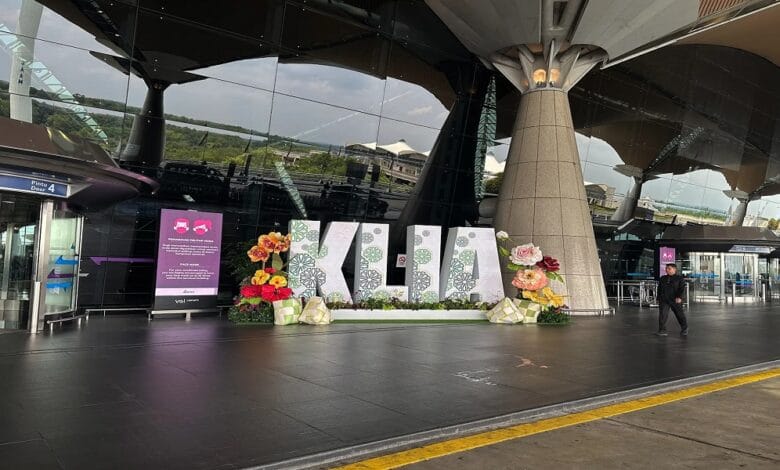
Middle East Tensions Threaten Malaysia’s Tourism Ambitions for 2026

PUTRAJAYA — Escalating geopolitical tensions between the United States and Iran may pose new challenges for Malaysia’s tourism sector, as aviation disruptions across the Gulf region risk affecting global travel flows that are crucial to the country’s tourism ambitions.
Tourism analysts warn that the situation could indirectly affect Malaysia despite its geographical distance from the conflict zone. The aviation sector, a vital backbone of international tourism, has already begun to feel the strain as airlines adjust flight paths and schedules due to airspace concerns over the Middle East.
Malaysia’s Visit Malaysia 2026 campaign, which targets 47 million international arrivals and tourism receipts of RM329 billion, may face pressure if disruptions in major transit hubs continue.
Air Connectivity Concerns Emerge
Professor of Tourism Economics at Universiti Teknologi MARA’s Faculty of Hotel and Tourism Management, Dr Mohd Hafiz Hanafiah, said aviation networks linking Europe, Africa and Asia are particularly vulnerable because many long-haul routes rely heavily on Gulf transit hubs.
Major aviation centres such as Dubai, Doha and Abu Dhabi serve as key gateways connecting travellers from Europe and Africa to Southeast Asia. Any disruption affecting these routes could result in longer travel times, higher operational costs for airlines and ultimately increased ticket prices for passengers.
“When confidence among travellers declines, long-distance travel tends to be the first segment affected,” he explained.
According to Mohd Hafiz, the potential escalation of the conflict could also drive global oil prices higher. This would increase fuel costs for airlines, placing additional pressure on ticket pricing and travel demand.
“If oil prices rise sharply, airlines will inevitably adjust fares, which could reduce travel demand from long-haul markets,” he added.
Regional Market Seen as Key Buffer
Despite the risks, Mohd Hafiz believes Malaysia’s tourism industry still has strong foundations, particularly due to its reliance on regional travellers.
Countries such as Singapore, Indonesia, Thailand and China remain critical sources of tourist arrivals, helping cushion the industry against fluctuations in long-haul markets.
“The overall challenge can be considered moderate to high, but it is still manageable because Malaysia enjoys strong support from nearby markets,” he said.
He emphasised that the country’s tourism strategy should prioritise strengthening traveller confidence by highlighting Malaysia’s stability, safety and accessibility.
Marketing campaigns focusing on flexible travel arrangements, improved connectivity and seamless entry procedures could help reassure potential visitors.
Industry Urged to Adapt Quickly
Mohd Hafiz also encouraged tourism stakeholders to take proactive steps to maintain travel momentum.
Airlines, for instance, could explore expanding seat capacity through alternative routes or transit hubs in Asia to minimise reliance on Gulf aviation networks.
Hotels, tour operators and travel agencies are likewise urged to provide flexible booking policies to encourage travellers to proceed with their plans despite global uncertainties.
Meanwhile, Professor Dr Azlizam Aziz, Dean of the Faculty of Forestry and Environment at Universiti Putra Malaysia, highlighted the role of perception in shaping global travel behaviour.
Perception of Safety Influences Travel Decisions
According to Azlizam, international tourists often evaluate destinations based on their perception of overall global stability rather than precise geographic realities.
“In many cases, travellers unfamiliar with regional geography may associate global conflicts with broader travel risks,” he said.
However, he noted that modern information flows have significantly improved transparency compared with earlier geopolitical conflicts such as the Gulf wars.
Today’s travellers can quickly access real-time updates, allowing them to make informed decisions about travel safety.
Azlizam added that the current situation may even present an opportunity for Malaysia.
As a politically stable and culturally welcoming country with well-developed tourism infrastructure, Malaysia could strengthen its appeal as a safe and reliable destination.
While some European routes may face disruptions if they rely on Gulf transit hubs, airlines have already begun adjusting flight paths and planning alternative connections to maintain international travel networks.
“With airlines adapting quickly to avoid conflict zones, the global aviation system is likely to remain resilient,” he said.
-wilayah.com.my