High Popularity Does Not Guarantee Power as Thailand’s People’s Party Faces Structural Barriers

BANGKOK — Despite emerging as the most popular political force among young voters, Thailand’s People’s Party may once again struggle to translate electoral success into governing power.
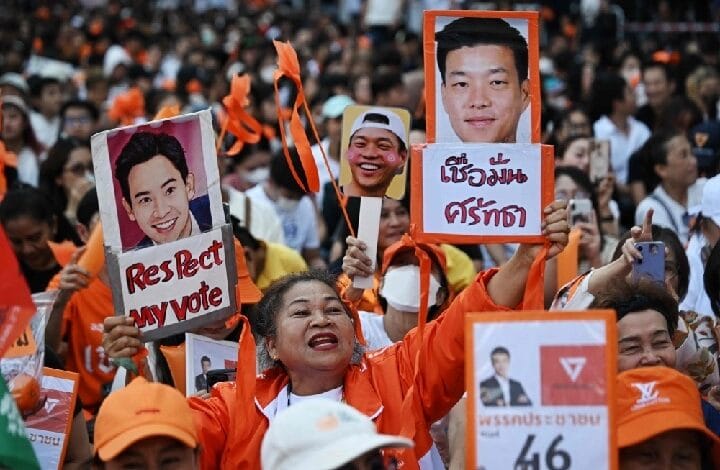
Large crowds at campaign rallies and strong online engagement reflect growing public demand for political reform. However, entrenched conservative and elite interests continue to limit the party’s path to leadership.
People’s Party lawmaker Rukchanok Srinork said the party is aware of the obstacles ahead.
“We know they will not allow us to govern easily. Winning votes is only part of the battle,” she said.
The party is the successor to the reformist movement that won the 2023 election under the leadership of Pita Limjaroenrat. His bid for prime minister was blocked by military-appointed senators, and he was later banned from politics.
The dissolution of the party triggered months of youth-led protests and deepened distrust toward political institutions.
Rebranded as the People’s Party, the movement has regained momentum by promoting anti-corruption measures, reducing military influence and revisiting Thailand’s lese-majeste laws.
A recent NIDA poll placed the party about 11 points ahead of its nearest rival, Bhumjaithai, with nearly half of young voters backing the reformist platform.
Nevertheless, analysts believe Prime Minister Anutin Charnvirakul’s party is likely to form a coalition with Pheu Thai, sidelining the People’s Party from government.
For many young voters, this would represent another failure of democratic representation.
Political scientist Punchada Sirivunnabood from Mahidol University said lingering disappointment continues to shape voter behaviour.
“Many voters worry that supporting this party could once again result in wasted votes,” she said.
Despite these concerns, prime ministerial candidate Natthaphong Ruengpanyawut remains determined.
“We have been blocked before, but public support remains strong. We will not stop fighting for democratic change,” he said.
The election is widely seen as a critical test of whether Thailand’s political system can truly reflect the will of its people.
-wilayah.com.my