
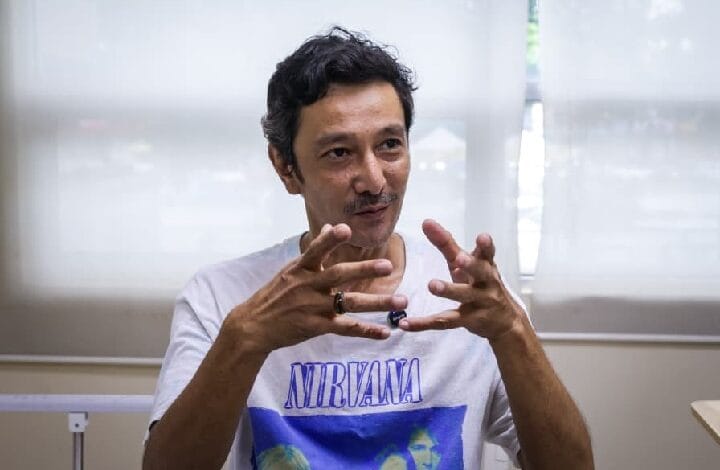
Qi Razali: Casting Should Prioritise Talent and Performance, Not Personal Connections

KUALA LUMPUR, July 7— Actor Qi Razali believes casting decisions in the film and television industry should be based on an actor’s ability to strengthen a production rather than personal friendships or existing relationships within the industry.
The 49-year-old actor said the success of a film or drama ultimately depends on the quality of its performances, stressing that professional standards should always outweigh familiarity when assembling a cast.
Speaking during a media visit to the set of the drama Wish List, Qi said he does not subscribe to the view that productions automatically benefit when directors or producers surround themselves with people they already know.
Instead, he argued that every casting decision should serve the story and enhance the overall quality of the project.
According to Qi, audiences judge a production by what appears on screen, making it essential for filmmakers to select actors capable of delivering convincing performances regardless of their personal relationships within the industry.
He cited Indonesian actress Aghniny Haque as an example of an artist who places strong emphasis on choosing projects because of the script rather than the people involved.
Qi said he admired her professional approach, noting that she had previously spoken about accepting roles based on the strength of the material instead of whether the production involved friends or familiar collaborators.
For Qi, that philosophy reflects the level of professionalism the industry should aspire to.
He believes actors should be selected because they contribute meaningfully to a production, not simply because they are part of a close social circle.
While friendships naturally develop in the entertainment business, Qi said professional expectations should never be compromised in favour of personal relationships.
In his view, productions risk lowering their overall standard if casting decisions are influenced more by familiarity than by performance capability.
He stressed that audiences deserve high-quality productions built around strong storytelling and capable performers.
Beyond discussing industry practices, Qi also shared how fatherhood has influenced the way he approaches new acting opportunities.
Having recently welcomed his first child, he said family responsibilities now play a much larger role in deciding which projects he accepts.
The actor explained that he is no longer willing to commit to productions requiring him to spend several months overseas away from his family.
Short assignments lasting only a few days remain manageable, but lengthy international filming schedules have become less attractive unless his family can accompany him.
Even then, Qi said he would only consider such arrangements if they did not create additional financial or logistical burdens for the production team.
If accommodating his family proved impractical, he would rather decline the opportunity than complicate the filming process.
Qi also described his acting method as one that requires significant mental preparation before stepping in front of the camera.
Unlike performers who can quickly move between personal and professional responsibilities, he said he needs time to fully immerse himself in each character.
That approach, he explained, makes it difficult to divide his attention between emotionally demanding scenes and family life during filming.
For Qi, maintaining that creative focus is essential to delivering authentic performances.
As both an actor and a new father, he said finding the right balance between career ambitions and family commitments has become increasingly important.
While he remains passionate about acting, Qi believes success should never come at the expense of either professional integrity or the responsibilities he now carries at home.
His comments reflect a broader belief that quality, discipline and thoughtful decision-making should remain the foundation of both artistic work and personal life.