HPUSM Expands Robotic Knee Surgery Training to Enhance Orthopaedic Education and Patient Care

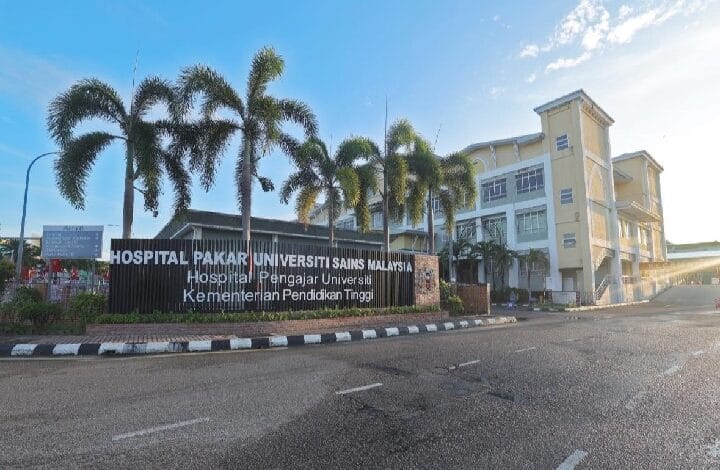
KOTA BHARU: The Hospital Pakar Universiti Sains Malaysia (HPUSM) has strengthened its role in advancing medical education by introducing robotic technology training for knee surgery, marking a significant step in elevating orthopaedic standards in Malaysia.
The initiative is part of the Master of Medicine (Orthopaedics) programme under Universiti Sains Malaysia (USM) and focuses on precision-based surgery, patient safety, and data-driven clinical practice.
USM Vice-Chancellor Abdul Rahman Mohamed said the integration of robotic systems into postgraduate training reflects the university’s commitment to producing highly competent and future-ready specialists.
He noted that the programme equips students with skills in detailed preoperative planning, objective intraoperative assessment, and accurate implant positioning.
He made the remarks during the launch of the Robotic Total Knee Replacement Service at the USM Health Campus in Kubang Kerian.
Precision-Oriented Training Model
According to Abdul Rahman, robotic-assisted procedures enable surgeons to achieve greater consistency and accuracy during operations, leading to improved clinical outcomes.
This approach reduces surgical errors, shortens recovery time, and enhances long-term joint function for patients.
He added that HPUSM has become one of the country’s leading centres for orthopaedic training and also offers an Arthroplasty Fellowship Programme for advanced joint replacement education.
Currently, around 80 postgraduate students are enrolled in the programme, highlighting growing interest in robotic-assisted surgery.
Role of Specialists and Hands-On Exposure
The training programme is led by experienced orthopaedic surgeons and academic specialists who provide close supervision and mentorship.
Abdul Rahman stressed that direct exposure to robotic systems allows trainees to develop technical confidence and sound clinical judgment in real operating environments.
Structured training and continuous assessment also help raise professionalism within the healthcare sector.
Improving Access to Advanced Treatment in the East Coast
In addition to education, HPUSM now provides robotic-assisted total knee replacement services to patients, improving access to modern orthopaedic care in the East Coast region.
The first procedure was successfully performed in September last year, and 13 patients have since undergone surgery with encouraging early results.
This development has reduced the need for patients to seek treatment outside the region while enhancing local healthcare capacity.
Overall, HPUSM’s robotic surgery initiative is viewed as a strategic move to modernise medical education, strengthen clinical services, and position Malaysia as a growing hub for advanced orthopaedic training in Southeast Asia.
-wilayah.com.my