Anthony Loke Clarifies AwAS Costs, Says RM337,000 Covers Entire Operating System, Not Individual Cameras

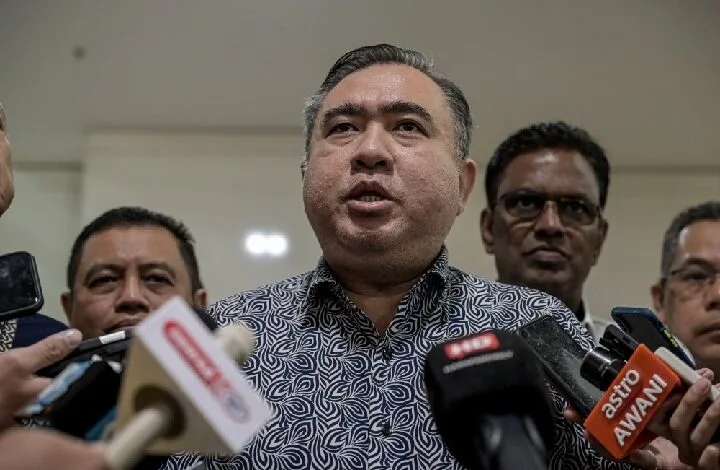
KUALA LUMPUR, July 3 — Transport Minister Anthony Loke has clarified that the annual maintenance cost of an individual Automated Awareness Safety System (AwAS) camera is significantly lower than figures frequently circulated, explaining that the often-quoted RM337,000 amount represents the operation of the entire enforcement ecosystem rather than a single camera unit.
In a written parliamentary reply issued yesterday, Loke said the annual maintenance cost for each AwAS camera is approximately RM112,800.
He explained that the amount is allocated for routine preventive maintenance, repair works and scheduled calibration to ensure the equipment continues operating accurately and reliably.
According to the minister, confusion has arisen because the larger RM337,000 figure includes a wide range of supporting operational components beyond the physical camera itself.
These include the centralised back-office system responsible for processing enforcement data, together with administrative functions such as the printing of traffic summonses and other operational requirements necessary to keep the nationwide AwAS enforcement system functioning effectively.
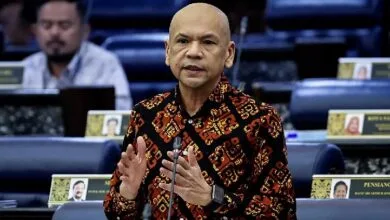
Loke provided the clarification in response to a parliamentary question from Setiu Member of Parliament Shaharizukirnain Abd. Kadir, who sought an explanation for the reported maintenance costs and asked whether the government intended to commission an independent audit to evaluate the system’s return on investment (ROI).
Responding to the issue, Loke said the success of AwAS should not be assessed solely through financial returns because its primary objective is to improve road safety and encourage greater compliance with traffic regulations.
He said one of the system’s key performance indicators is the “Perception of Being Caught” (POBC), which measures motorists’ belief that traffic offences committed at monitored locations are likely to be detected and penalised.
According to the minister, more than 90 per cent of motorists travelling through AwAS camera locations believe there is a high likelihood of enforcement action if they violate traffic rules.
He said this perception plays an important role in encouraging drivers to comply with speed limits and other road regulations, thereby helping reduce the risk of accidents, particularly in areas identified as having higher crash rates.
Loke also explained that the Road Transport Department (JPJ) manages the implementation of the AwAS programme through an open and competitive tender process.
He said the procurement approach is intended to promote transparency and ensure that pricing remains competitive while maintaining the operational effectiveness of the enforcement system.
At the same time, the minister reaffirmed the government’s commitment to accountability in managing the programme.
He said the ministry remains receptive to independent audits or periodic evaluations of the AwAS system to ensure it continues delivering its intended road safety objectives while providing value through effective and transparent implementation.
Loke stressed that understanding the distinction between maintaining an individual camera and operating the complete AwAS infrastructure is important to accurately assessing the overall cost of the national automated traffic enforcement programme.