Malaysia Expands Tourism Market Strategy with Focus on China, Japan and Emerging Long-Haul Destinations

IPOH: Malaysia is strengthening its international tourism strategy by broadening its visitor markets, with China, Japan, Indonesia and India remaining among the country’s primary growth drivers while new promotional efforts are being intensified in long-haul destinations such as Russia, Germany and Australia.
The Ministry of Tourism, Arts and Culture (Motac) said diversifying visitor sources has become increasingly important as the global tourism industry continues to navigate economic uncertainty and geopolitical developments that influence international travel patterns.
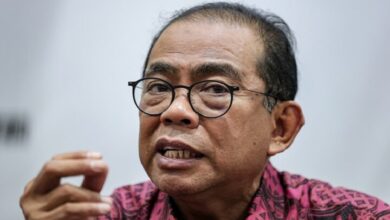
Deputy Tourism, Arts and Culture Minister Chiew Choon Man said Tourism Malaysia has been tasked with expanding promotional activities across multiple regions to reduce reliance on any single source market while ensuring the country’s tourism recovery remains resilient over the long term.
He explained that the ministry’s strategy is designed to create a more balanced visitor portfolio capable of sustaining industry growth even when specific markets experience temporary disruptions.
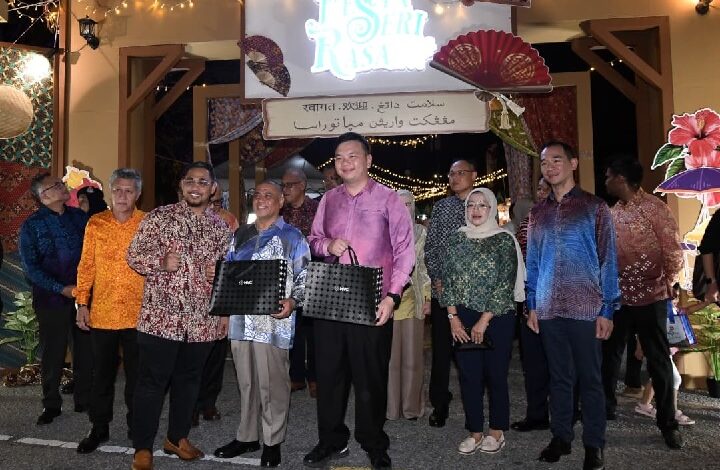
“Our objective is to ensure Malaysia remains competitive in the international tourism landscape by continuously adapting our marketing strategy to global developments and changing travel demand,” he said while speaking at the Malaysia Cultural Festival @ Perak 2026.
The four-day festival, held from June 25 to June 28 at Dataran Bulatan Sultan Azlan Shah, was officiated by Perak Menteri Besar Datuk Seri Saarani Mohamad.
According to Chiew, Malaysia recorded 10.6 million international visitor arrivals during the first quarter of this year, representing a 5.4 per cent increase compared with the corresponding period last year.
The encouraging performance demonstrates the resilience of the country’s tourism sector despite ongoing challenges affecting global travel, he said.
While arrivals from West Asia declined by 27.2 per cent amid continuing regional tensions, stronger growth from other international markets successfully compensated for the shortfall.
ASEAN countries continued to contribute the largest share of visitor arrivals, while East Asia registered particularly robust growth of 19.2 per cent.
Other regions, including Central Asia, Oceania and Europe, also recorded positive growth, reflecting the effectiveness of Malaysia’s diversified tourism promotion strategy.
Chiew noted that maintaining sustainable industry growth requires close cooperation between government agencies and tourism stakeholders to address operational challenges, rising business costs and changing consumer expectations.
He said Motac remains committed to working alongside tourism operators to strengthen product quality, improve visitor experiences and enhance Malaysia’s overall competitiveness as a regional tourism destination.
The ministry also pledged continued support for Perak’s tourism ambitions, with the state targeting 11.6 million visitor arrivals this year, comprising 10.5 million domestic visitors and 1.1 million international tourists.
Beyond increasing tourist numbers, Chiew emphasised the importance of cultural tourism as a catalyst for economic development.
He praised the Perak state government’s efforts to align the Perak Sejahtera 2030 Plan with the National Cultural Policy, describing the initiative as an effective model for integrating heritage preservation with tourism development.
According to him, cultural assets such as the traditional dabus dance, Labu Sayong pottery, gold-thread embroidery and Ipoh’s diverse culinary heritage possess significant commercial potential capable of attracting higher-value international visitors.
He said transforming local cultural heritage into premium tourism products creates a dual benefit by preserving national identity while generating new income opportunities for artisans, entrepreneurs, performers and local communities.
“Culture should not be viewed solely as historical heritage. It is also an important economic asset capable of strengthening local industries, supporting creative enterprises and enhancing Malaysia’s attractiveness as a distinctive tourism destination in the global marketplace,” he said.