
RISDA Turns UCAM Estate Into Large-Scale Rubber Plantation Model to Boost National Output

ALOR GAJAH: The Rubber Industry Smallholders Development Authority (RISDA) is intensifying efforts to expand Malaysia’s rubber cultivation areas through the implementation of a pilot Large-Scale Rubber Plantation Programme (TGBB) at the University College of Agroscience Malaysia (UCAM) estate.
RISDA chairman Manndzri Nasib said the initiative forms part of the agency’s broader strategy to help Malaysia achieve its target of producing one million metric tonnes of rubber annually by 2030.
According to him, the TGBB programme goes beyond conventional planting activities by emphasising efficient estate management, large-scale operations and higher productivity.
“The implementation of TGBB is not merely focused on planting rubber trees.
“It also prioritises systematic estate management to ensure plantation areas are utilised efficiently and contribute significantly to national rubber production,” he said during an official visit to the UCAM TGBB project in Ayer Paabas yesterday.
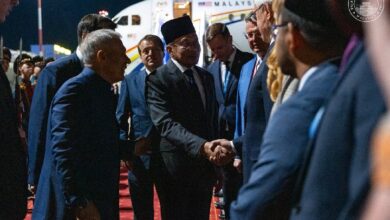
Also present were RISDA’s director of Replanting and Plantation Division, Faridah Haryati Mohamad Yusof, Administration Division director Muhamad Mahathir Abdul Rahim and RISDA Melaka director Ahmad Fahmi Abd Shukor.
The UCAM plantation project, developed in collaboration with RISDA Plantation Sdn Bhd (RPSB), is expected to serve as a model for future large-scale rubber plantation developments across the country.
Covering 35 hectares, the project began in September 2025 and comprises five main plots located on hilly terrain.
More than 16,000 rubber trees have been planted so far, with modern estate management practices being introduced to maximise productivity and long-term sustainability.
Manndzri said the programme represents RISDA’s efforts to modernise the country’s rubber industry through an integrated estate management approach covering plantation development, maintenance and production.
“Potential land should be transformed into productive national assets.
“In this context, TGBB opens up wider collaboration opportunities between RISDA, state governments and other stakeholders with suitable land for rubber cultivation,” he said.
He added that the programme is expected not only to strengthen domestic rubber supplies but also to create economic spillover effects for local communities through job creation, rural infrastructure development and stronger value chains within the rubber industry.
According to him, the success of the UCAM pilot project will play a crucial role in shaping the nationwide expansion of the programme.
“This is not just another plantation project.
“It is part of a larger agenda to restore rubber as one of Malaysia’s strategic commodities and strengthen the industry’s contribution to the national economy,” he said.
Manndzri expressed confidence that with continued support from various stakeholders, the programme would help improve productivity, enhance the socio-economic well-being of smallholders and ensure the long-term sustainability of Malaysia’s rubber industry.
In addition to visiting the plantation site, he and his delegation also toured several rubberwood processing factories as part of efforts to explore new collaborations in downstream rubber and rubberwood industries.