Government Maintains BUDI95 Fuel Quota at 200 Litres Amid Global Supply Concerns

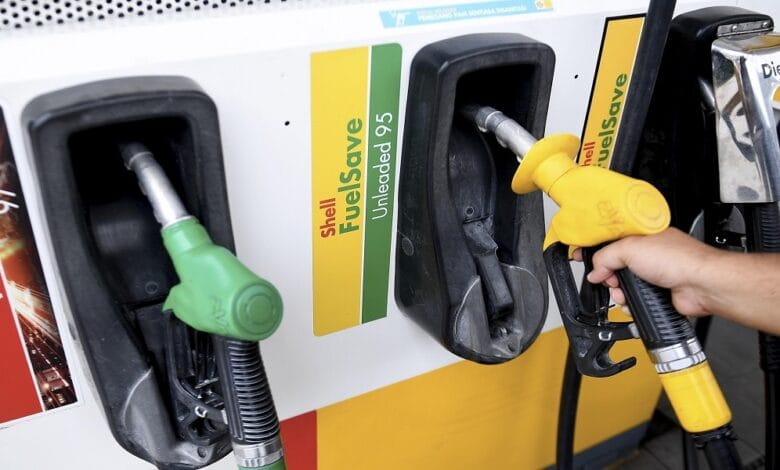
KUALA LUMPUR, April 27 — The government has decided to retain the current monthly quota of 200 litres under the BUDI MADANI RON95 (BUDI95) initiative for the time being, citing ongoing global supply uncertainties.
Political secretary to the finance minister, Muhammad Kamil Abdul Munim, said the temporary adjustment remains necessary as authorities continue to monitor developments linked to global energy supply disruptions.
He explained that policy decisions regarding the subsidy programme are reviewed regularly through the National Economic Action Council (MTEN), which convenes on a weekly basis to assess the country’s economic conditions and capacity.
“We need to look at the broader ecosystem, including fuel supply dynamics. So far, the situation remains under control, and the government is closely monitoring it,” he said during an appearance on Bernama TV’s Ruang Bicara programme titled “Krisis Bekalan Tenaga”.
Muhammad Kamil noted that Malaysia has taken steps to diversify its sources of oil imports, reducing reliance on supplies from West Asia, a region currently affected by geopolitical tensions that have disrupted global markets.
The current quota adjustment follows a government decision to temporarily reduce the BUDI95 allocation from 300 litres to 200 litres per month, effective April 1, 2026. The move was introduced as a precautionary measure in response to the evolving crisis in global energy supply chains.
Despite the adjustment, the subsidised price of RON95 petrol remains unchanged at RM1.99 per litre.
During the programme, Muhammad Kamil also addressed suggestions from the World Bank, which had proposed revising the subsidised fuel price to RM2.05 per litre. He stressed that the government is still committed to maintaining subsidies while ensuring fiscal sustainability.
“Although there was some initial resistance, the implementation has gone smoothly. It has significantly reduced leakages that previously burdened the system,” he said.
He added that the improvements in subsidy targeting and management have allowed the government to sustain its current approach without imposing additional cost pressures on consumers.
The government’s strategy, he said, balances the need to protect public welfare while adapting to external economic pressures, particularly those stemming from volatile global energy markets.
Looking ahead, any further changes to the quota or pricing structure will depend on evolving global conditions and domestic economic resilience, with authorities remaining cautious in navigating the uncertain landscape.
-wilayah.com.my