Zahid: TVET Gains Mainstream Status as Over Half of SPM Graduates Choose Skills Pathway

KUALA LUMPUR, May 1 — Technical and Vocational Education and Training (TVET) is increasingly becoming the preferred pathway among Malaysia’s SPM graduates, with more than half now opting for skills-based education over traditional academic routes.
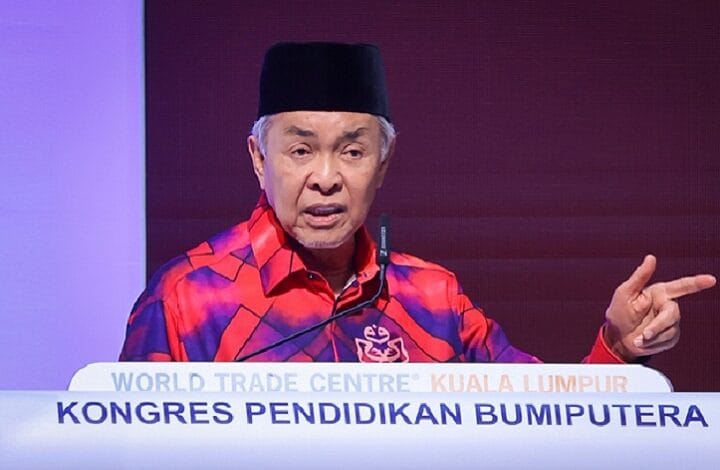
United Malays National Organisation president and Deputy Prime Minister Ahmad Zahid Hamidi said this trend reflects a significant shift in public perception towards vocational education.
He noted that TVET is no longer viewed as a secondary option, but has evolved into a primary pathway aligned with industry demands and economic needs.
“Statistics show that more than 50 per cent of SPM graduates are choosing TVET. This indicates that it is now widely accepted as a mainstream option,” he said at the closing ceremony of the Bumiputera Education Congress 2026 in Kuala Lumpur.
Zahid stressed that TVET must be given equal recognition as academic education in terms of status, opportunities and societal value.
He highlighted that developed nations rely heavily on skilled workers to drive industrial growth, innovation and competitiveness.
“To achieve developed nation status, we need a workforce that is not only educated but also highly skilled,” he said.
He also pointed to the strong employability outcomes of TVET graduates, noting that most institutions report employment rates exceeding 98 per cent, with some reaching as high as 99 per cent.
This, he said, demonstrates the strong demand for skilled labour in the current job market.
At the same time, Zahid emphasised that education should not focus solely on producing workers.
Instead, it must also nurture individuals with a strong understanding of history, respect for the Constitution and appreciation of national institutions, including the monarchy.
“We want a generation that is globally competitive yet firmly rooted in national identity,” he said.
He added that balancing technical expertise with cultural and historical awareness is crucial for sustainable national development.
According to him, future generations must be technologically capable while also maintaining a strong sense of identity and heritage.
The growing preference for TVET is seen as a positive development in strengthening Malaysia’s workforce ecosystem, aligning with the needs of a modern, skills-driven economy.
-aseannews.my