TNB Says Malaysia Capable of Becoming ASEAN’s Key Regional Energy Hub

KUALA LUMPUR: Tenaga Nasional Berhad (TNB) believes Malaysia has strong potential to become a leading regional energy hub through the implementation of the ASEAN Power Grid (APG), strengthening energy security across Southeast Asia.
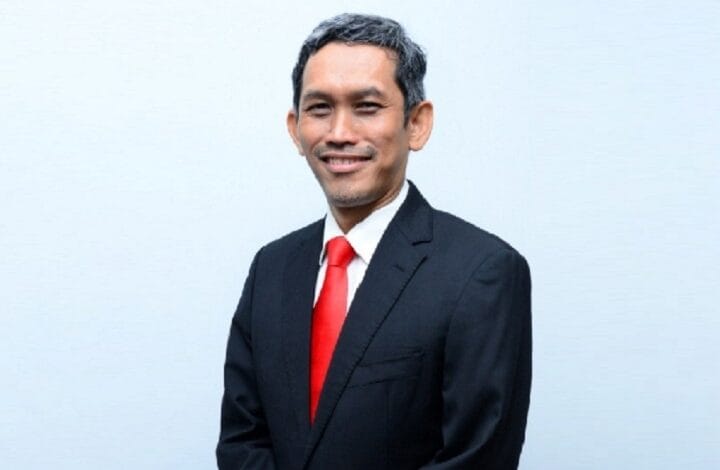
TNB senior chief strategy, regulatory and sustainability officer Muhamad Nazri Pazil said Malaysia’s strategic geographical position at the centre of ASEAN provides the country with a major advantage in connecting energy systems among regional member states.
According to him, Malaysia also possesses a stable, modern and resilient electricity grid infrastructure supported by a mature energy ecosystem and government policies focused on energy transition and sustainable development.
He said the combination of these factors positions Malaysia to play a greater role in coordinating cross-border energy cooperation and regional electricity sharing.
“The ASEAN Power Grid creates opportunities for member countries to share energy resources more efficiently.
“When one country experiences higher electricity demand or supply disruptions, other countries connected through the regional grid can help supply electricity,” he said during an appearance on Bernama TV’s Ruang Bicara programme.
Muhamad Nazri Pazil said the development of the APG would also serve as a major catalyst for expanding renewable energy adoption throughout the ASEAN region.
He explained that several ASEAN countries possess different renewable energy advantages that could be shared collectively through an integrated regional grid network.
According to him, Laos has substantial hydropower capacity while Vietnam continues to expand its wind energy generation capabilities, both of which could be transmitted to neighbouring countries including Malaysia and Singapore.
“At a time when the world is facing geopolitical uncertainty and rising fuel costs, renewable energy sharing will help stabilise regional energy prices,” he said.
He noted that the Laos-Thailand-Malaysia-Singapore (LTMS) initiative currently represents ASEAN’s first successful commercial cross-border electricity trading model.
Apart from LTMS, several additional interconnection projects are currently in the planning and feasibility study stages, including the Vietnam-Malaysia-Singapore (VMS) connection, the Sarawak-Peninsular Malaysia-Singapore link and enhanced interconnection capacity between Malaysia, Thailand and Singapore.
Meanwhile, Muhamad Nazri Pazil said the upcoming Energy Transition Conference 2026 (ETCon26), scheduled from June 3 to 5 at the Kuala Lumpur Convention Centre, will serve as an important platform to discuss ASEAN’s future energy landscape.
The conference is expected to gather approximately 2,000 delegates including energy industry players, policymakers, utility companies, investors and technology experts from ASEAN and beyond.
More than 80 international speakers and 40 sponsors have confirmed participation in ETCon26, which will feature discussions on green energy, grid digitalisation and artificial intelligence (AI) integration within the energy sector.
The conference will be officiated by Prime Minister Anwar Ibrahim, while Deputy Prime Minister and Minister of Energy Transition and Water Transformation Fadillah Yusof is scheduled to deliver the opening keynote address.
According to Muhamad Nazri Pazil, a total of 16 strategic partnership exchanges and new project launches are expected to take place during the conference.
“The ultimate goal of ETCon is not merely to create a discussion platform, but to ensure ideas and plans are translated into actual implementation through investments, collaboration and long-term project development,” he said.