Sarawak’s Energy-Led Growth Strategy Seen as Catalyst for Investment and Future Economy, Says Fadillah

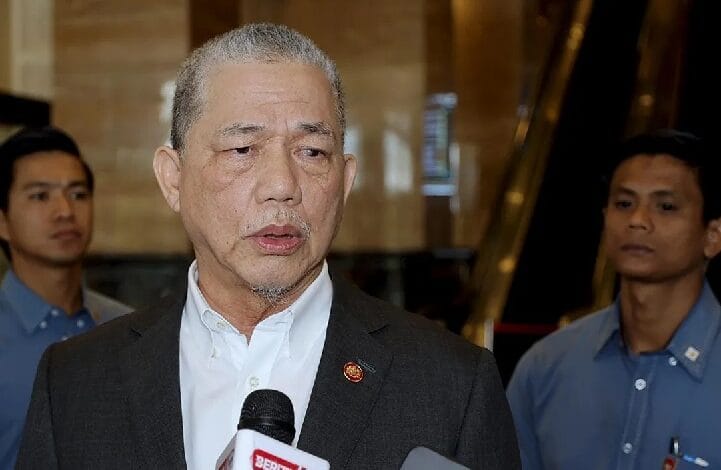
KUCHING, April 20 — Sarawak’s strategic emphasis on renewable energy, gas resources and digital transformation is expected to position the state as a key investment destination in the region, Deputy Prime Minister Fadillah Yusof said.
He noted that the development direction outlined by Abang Johari Tun Openg reflects a long-term economic blueprint that balances resource utilisation with sustainability and technological advancement.
Speaking after the opening of the Gabungan Parti Sarawak (GPS) Convention 2026, Fadillah said Sarawak’s focus on energy-based industries — particularly gas and renewable energy — is creating a foundation for downstream economic activities that can attract both domestic and foreign investment.
He explained that by moving beyond raw resource extraction into value-added industries, the state is able to generate higher economic returns while creating more skilled employment opportunities.
“This approach is not only about resource management, but about building an ecosystem that supports long-term economic resilience,” he said.
Fadillah added that the integration of renewable energy into Sarawak’s development strategy aligns with global trends toward sustainability. As countries and corporations increasingly prioritise green energy, Sarawak’s capacity in hydropower and other renewable sources places it in a strong position to meet future demand.
He also highlighted the importance of digitalisation as a complementary driver of growth. Investments in digital infrastructure and innovation are expected to enhance productivity across sectors, from manufacturing to services.
According to him, the combination of energy and digital capabilities creates a unique value proposition for investors seeking stable and forward-looking markets.
Education, he said, remains a critical pillar in supporting this transformation. By developing a workforce equipped with technical and digital skills, Sarawak aims to ensure that economic growth is inclusive and sustainable.
Fadillah also addressed the issue of state rights under the Malaysia Agreement 1963 (MA63), particularly in relation to the management of natural resources.
He welcomed the Sarawak government’s firm stance in advocating for its rights, noting that the approach taken has been constructive and focused on achieving fair outcomes through cooperation with the federal government.
“This balance between asserting rights and maintaining collaboration is essential in ensuring long-term stability,” he said.
The deputy prime minister emphasised that platforms such as the GPS Convention play a vital role in aligning state-level initiatives with national development goals.
He said such alignment ensures that policies are implemented efficiently while maximising their impact on the rakyat.
Political stability and leadership continuity, he added, are equally important in sustaining investor confidence. He praised GPS for its efforts in maintaining unity within its ranks and for fostering a leadership structure that combines experience with new perspectives.
Looking ahead, Fadillah expressed confidence that Sarawak’s strategic direction will continue to attract investment and drive economic growth.
He said the state’s focus on energy, digitalisation and human capital development provides a strong foundation for achieving long-term prosperity.
-wilayah.com.my