National pig farming blueprint in the works, prioritising biogas technology and long-term food security

SEBERANG PERAI, Feb 14, 2026 – The federal government is drafting a National Pig Farming Blueprint aimed at establishing a comprehensive policy framework to strengthen governance, environmental sustainability and long-term pork supply stability in Malaysia.
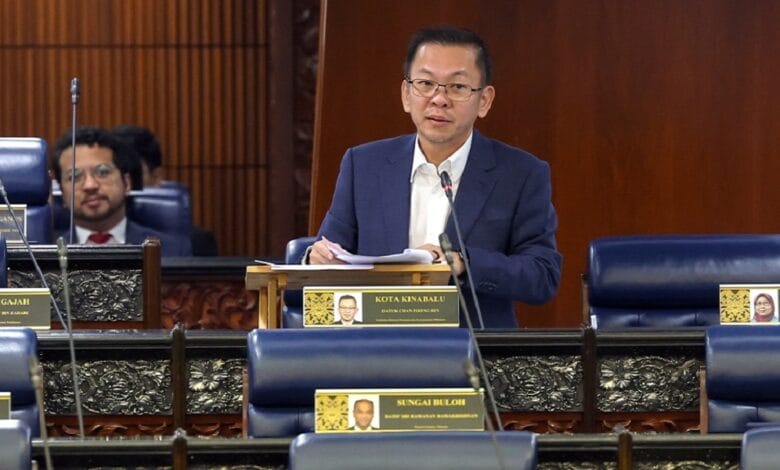
Deputy Agriculture and Food Security Minister Datuk Chan Foong Hin said the blueprint will serve as a strategic reference document outlining operational standards for the industry, including stricter environmental compliance and the integration of modern waste management technologies such as waste-to-energy biogas systems.
He pointed to the Kampung Valdor Centralised Biogas Facility in South Seberang Perai, Penang, as a national model for systematic and environmentally responsible livestock waste management.
“At its core, pig farming is an environmental management issue. Without professional and technology-driven solutions, it can create community discomfort and wider social tensions,” he said after attending the facility’s launch.
Chan explained that the ministry aims to reposition the industry from being viewed as a pollution concern to becoming part of a circular economy model, where livestock waste is converted into renewable energy through biogas infrastructure.
He cautioned that inadequate management of such issues could escalate into broader societal sensitivities, particularly in a multi-ethnic and multi-religious country like Malaysia.
On food security, Chan revealed that Malaysia’s pork self-sufficiency level (SSL) currently stands at approximately 65 per cent.
While acknowledging that Selangor’s total ban on pig farms may exert pressure on domestic supply levels, he described the potential impact as manageable in the short term due to the availability of imports.
However, he stressed that over-reliance on imported pork is not a sustainable long-term strategy. The ministry intends to ensure that domestic production remains viable so that the non-Muslim community continues to have stable access to pork as a primary protein source.
“This blueprint goes beyond production targets. It encompasses technology adoption, enforcement, environmental compliance and social balance,” he said.
The forthcoming policy framework is expected to include standardised farm management practices, tighter licensing requirements and the adoption of green technologies to enhance operational efficiency while minimising pollution risks.
The initiative reflects the government’s broader push to modernise the livestock sector in line with national sustainability goals and long-term food security planning.
-wilayah.com.my