KKDW 2026–2030 Strategic Plan Accelerates Rural Transformation, Targets 8.17 Million Beneficiaries

KUALA NERUS – The Kementerian Kemajuan Desa dan Wilayah (KKDW) has unveiled its 2026–2030 Strategic Plan as a comprehensive five-year blueprint designed to fast-track rural transformation and strengthen socio-economic resilience for 8.17 million Malaysians living outside urban centres.
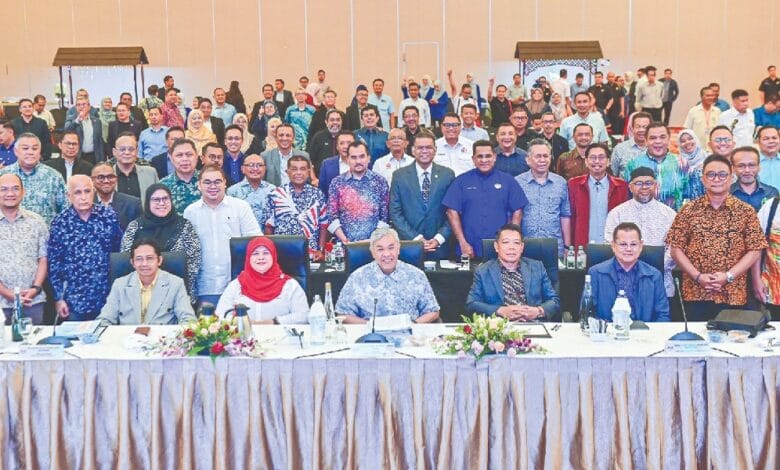
Launched by Deputy Prime Minister and Rural and Regional Development Minister Ahmad Zahid Hamidi, the framework signals a decisive transition from policy formulation to measurable delivery outcomes.
The plan outlines 20 strategic thrusts and 49 targeted initiatives aimed at ensuring integrated, inclusive and sustainable rural growth. With nearly 24 per cent of the national population residing in rural regions, the blueprint plays a pivotal role in reducing structural disparities between urban and non-urban communities.
Integrated Development Framework
The strategy aligns closely with the 13th Malaysia Plan, the Sustainable Development Goals, the Bumiputera Economic Transformation Plan 2035 and the National Rural Development Policy.
Five core clusters anchor implementation: rural economic expansion, human capital enhancement, infrastructure connectivity, rural entrepreneurship development and institutional service delivery reform.
This integrated model reflects a broader understanding that rural transformation must extend beyond infrastructure investment to include skills development, administrative efficiency and economic diversification.
Accountability and measurable impact remain central to the framework, ensuring that public expenditure generates tangible improvements in community welfare.
RMK-12 Achievements as Foundation
Performance indicators under the 12th Malaysia Plan provide a strong foundation for the new roadmap. Hardcore poverty declined significantly from 0.2 per cent in 2022 to 0.09 per cent in 2024, while rural poverty fell from 12.9 per cent to 9.9 per cent.
Rural-to-urban migration dropped sharply to 0.5 per cent in 2024, compared with 2.4 per cent two years earlier. Meanwhile, employability rates among KKDW TVET graduates exceeded 98.7 per cent, highlighting the effectiveness of skills development initiatives.
Infrastructure and Housing Investments
During RMK-12, RM4.15 billion was channelled into 1,569 rural infrastructure projects nationwide, covering road construction, water supply systems, electricity access and essential public facilities.
Nearly 10,000 housing units under the Rural Prosperous Housing Programme were completed, benefiting more than 40,000 residents and improving overall living standards.
Cross-agency collaboration with partners such as Felda, the National TVET Council, the Civil Defence Force, NADMA and NACSA further enhanced coordination and implementation efficiency.
The KKDW 2026–2030 Strategic Plan represents a strategic recalibration of Malaysia’s rural development agenda, positioning rural communities not merely as recipients of aid, but as active contributors to national economic growth.
-wilayah.com.my