Court to Hear Arguments on Bid to Amend Lim Guan Eng Charge

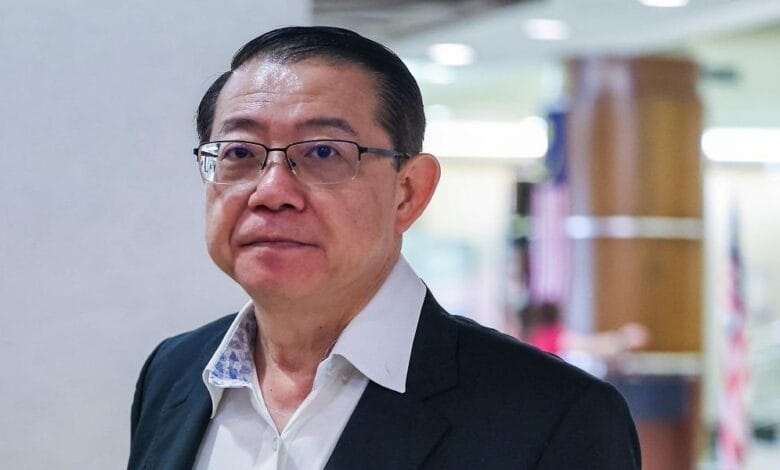
KUALA LUMPUR: The Sessions Court will hear arguments tomorrow on the prosecution’s bid to amend a key charge against Lim Guan Eng in the ongoing Penang undersea tunnel corruption trial.
The proposed amendment centres on removing the term “received” from the first charge, a move prosecutors say aligns with the legal interpretation of Section 23 of the Malaysian Anti-Corruption Commission Act 2009.
Deputy public prosecutor Datuk Wan Shaharuddin Wan Ladin told the court that the provision does not strictly require proof of whether gratification was received or solicited, but rather focuses on the intent behind it. He added that the alleged sum of RM3.3 million remains unchanged in the charge.
Defence Raises Concerns Over Timing
The defence team, led by Ramkarpal Singh, objected to the proposed revision, arguing that the removal of such a key element at this stage could undermine the integrity of the case.
He pointed out that the trial has progressed over several years based on the original wording, and altering it now could disadvantage the defence in preparing its arguments.
The court will allow both sides to present detailed submissions before deciding whether the amendment should be permitted.
Trial Continues with Witness Testimony
Following the application, the trial resumed with the cross-examination of the 37th prosecution witness, businessman Datuk Seri G Gnanaraja.
Lim, 65, faces accusations of abusing his position as Penang chief minister to obtain RM3.3 million in connection with facilitating a company owned by Zarul Ahmad in securing a multi-billion-ringgit roads and undersea tunnel project.
The alleged offence is said to have taken place between 2011 and 2017.
In addition, he is charged with soliciting a 10 per cent share of future profits from the same project, along with two further counts involving the disposal of state-owned land in Penang to a developer linked to the project.
The case continues to draw attention due to its scale, political implications, and the legal questions surrounding the interpretation of corruption laws.
-wilayah.com.my