
Andaman Sea Disaster Highlights Trafficking Networks as Rohingya Crisis Deepens

DHAKA, April 15 – The sinking of a migrant boat in the Andaman Sea has once again exposed the dangerous intersection of human trafficking and displacement, as hundreds of Rohingya refugees remain unaccounted for.
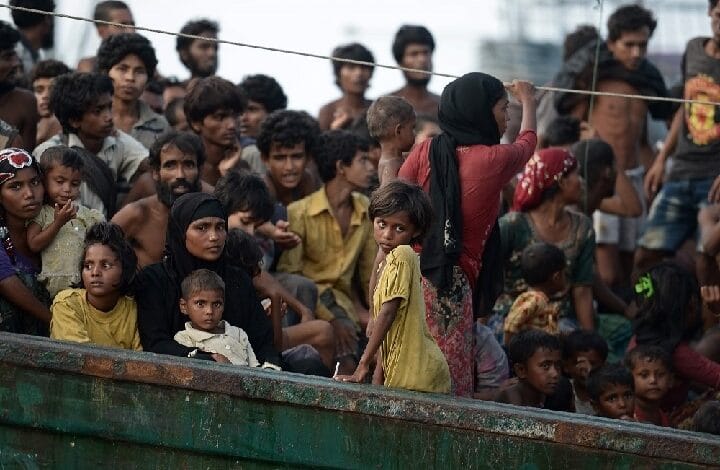
The vessel, carrying an estimated 280 passengers, left Teknaf earlier this month en route to Malaysia before capsizing amid severe weather conditions. Overcrowding and poor safety conditions are believed to have contributed to the disaster.
Despite the scale of the incident, only nine survivors have been confirmed, leaving a vast number of passengers missing and presumed dead.
Families across Bangladesh are now facing an agonising wait for answers, many relying on fragmented information from survivors to piece together what happened.
Rafiqul Islam, one of those who survived, has become a key figure in the search for information. His phone has turned into a repository of hope and grief, filled with images sent by desperate relatives.
“They want to know if their loved ones were there,” he said.
His experience sheds light on a broader and more troubling reality — the continued operation of human trafficking networks that exploit vulnerable populations.
Like many others on the boat, he was promised employment opportunities abroad, a common tactic used to lure migrants into dangerous journeys.
The Rohingya refugees on board are believed to have come from camps in Cox’s Bazar, where over a million people live under challenging conditions.
Limited access to work, education and basic services has created an environment where risky migration becomes one of the few perceived options.
Authorities have arrested several suspects linked to the trafficking network, but experts warn that dismantling such operations will require sustained efforts beyond individual arrests.
Humanitarian organisations point to deeper structural issues driving these journeys. Cuts in aid, particularly by the World Food Programme, have intensified hardship within the camps.
As resources dwindle, more individuals may feel compelled to take life-threatening risks.
The United Nations High Commissioner for Refugees has described the incident as a reflection of prolonged displacement and the absence of durable solutions for the Rohingya population.
Without meaningful progress in addressing these root causes, experts believe similar tragedies are likely to continue.
For now, the focus remains on the missing — and the families left behind, searching for answers in the aftermath of yet another preventable disaster.
-wilayah.com.my