
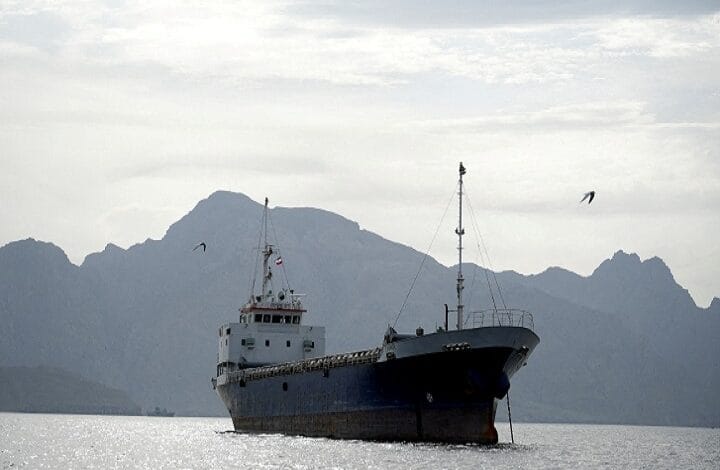
Hormuz on the Brink: Limited Tanker Movements Signal Escalating Global Energy Risk

DUBAI, April 15 – The Strait of Hormuz is nearing a critical tipping point, as drastically reduced tanker traffic raises concerns over a potential global energy shock if tensions in the Middle East continue to escalate.
Once a vital artery carrying nearly a fifth of the world’s oil and gas supply, the strait is now witnessing only minimal movement, with most shipping operators reluctant to navigate the increasingly dangerous corridor.
This sharp decline in activity reflects a combination of military risks, geopolitical tensions and operational restrictions that have fundamentally altered global energy logistics.
Malaysia-Bound Cargo Among Rare Movements
Amid these constraints, a handful of tankers heading towards Malaysia have successfully completed the transit.
These include the VLCC Serifos, transporting crude from Saudi Arabia and the United Arab Emirates, and Ocean Thunder, carrying about one million barrels of Iraqi crude under arrangements linked to Petronas.
Their passage highlights the strategic importance of maintaining supply flows despite heightened risks.
Shipping Bottlenecks Intensify Pressure
The disruption has been amplified by restrictions affecting vessels associated with Iranian ports, further tightening an already constrained shipping environment.
As a result, many operators have opted to delay or reroute shipments, contributing to a significant bottleneck in global oil transportation.
Potential Shock to Energy Markets
Analysts warn that prolonged disruption in Hormuz could lead to severe consequences for global energy markets.
Supply shortages, combined with logistical delays, could trigger price surges and increase volatility, impacting economies worldwide.
Strategic Vulnerabilities Exposed
For countries like Malaysia, the situation underscores the risks associated with reliance on key maritime chokepoints.
Even limited disruptions can have cascading effects on supply stability and pricing.
Calculated Risk by Major Importers
While some nations continue to move cargo through the strait, these operations are carefully calculated, reflecting a balance between economic necessity and security concerns.
The reduced volume of traffic indicates that risk levels remain exceptionally high.
Rethinking Energy Security
The current crisis is prompting governments and industry players to reconsider their energy strategies, including diversification of supply routes and expansion of strategic reserves.
As tensions persist, the Strait of Hormuz is expected to remain a focal point of global concern, with implications that extend far beyond the region.
-wilayah.com.my