
The national energy transition is often framed around power plants, solar parks and grid modernisation. Yet the true maturity of sustainability lies in how deeply it penetrates everyday operations. Tenaga Nasional Berhad’s move to rethink something as basic as cable management reveals a more profound shift: sustainability is no longer treated as a side programme, but as an operating philosophy embedded across the entire asset lifecycle.
Cables are the physical arteries of the power system. From factory floor to construction site, from installation to end-of-life, they pass through multiple stages where resources are consumed, emissions are generated and waste is created. By re-engineering this full cycle, TNB is effectively applying circular economy logic to one of the most fundamental components of electricity delivery.
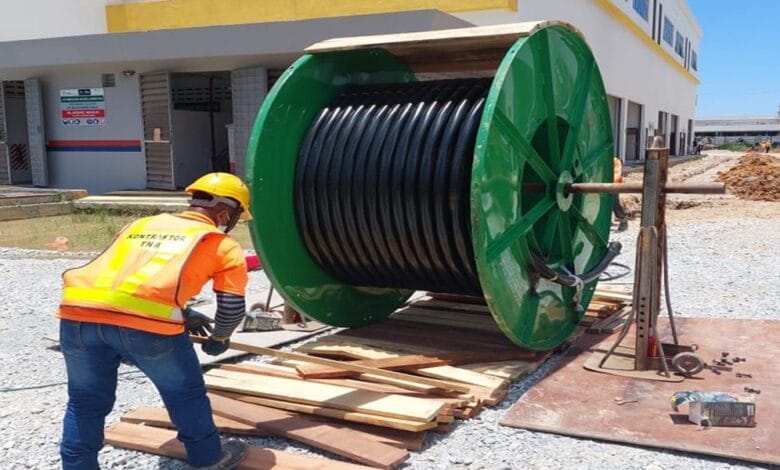
The Green Drum initiative is a powerful example. For decades, wooden reels were the industry standard, quietly consuming thousands of trees and lasting only months under tropical weather.
Replacing them with reusable steel drums does more than save timber. It introduces durability, repeat use, GPS-based traceability, theft reduction, lighter transport loads, lower embodied carbon and long-term cost efficiency. Each drum now becomes a circulating asset rather than a disposable item, aligning operations with Malaysia’s forest-conservation commitments and net-zero ambition.
Equally transformative is the Green Cable initiative. Leftover and short-length cables, once treated as scrap or write-offs, are now recovered, stripped, reprocessed and re-engineered into certified, usable conductors. This closes the materials loop, diverts valuable metals from landfills, reduces dependence on virgin raw materials and cuts production costs significantly. It is a practical demonstration that “waste” is often simply value waiting to be redesigned back into the system.
What makes these initiatives strategically important is not just their environmental benefit, but their systemic alignment. They support TNB’s Reimagining TNB 2.0 (RT2.0) strategy, advance SDG 12 on responsible consumption and SDG 13 on climate action, and directly complement national frameworks such as the National Energy Transition Roadmap and the New Industrial Master Plan 2030. Sustainability here is not cosmetic; it is operational, measurable and embedded in industrial processes.
There is also a broader lesson for corporate Malaysia. ESG does not have to begin with spectacular megaprojects or disruptive technologies. It can begin with redesigning procurement, packaging, logistics, asset recovery and material reuse. It can begin with asking whether every component is meant to live once, or circulate many times.
In a world racing toward decarbonisation, the quiet re-engineering of cable drums and conductors may not make headlines like a new solar farm. Yet it reflects a deeper institutional transformation: a utility that no longer sees sustainability as a reporting requirement, but as an engineering principle. When the backbone of the power grid itself is designed around circularity, the energy transition moves from policy aspiration to industrial reality.
https://www.tnb.com.my/sustainability/esg-stories-sustainable-connections/