Malaysia’s Energy Transition Must Involve All Sectors, Not Just Power Industry, Says Fadillah

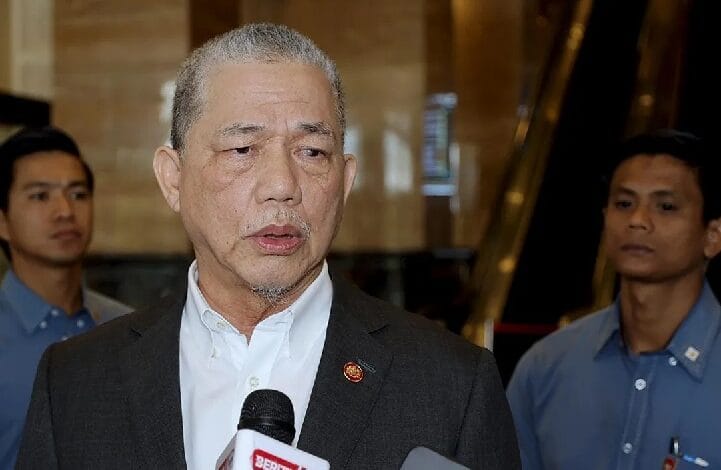
KUALA LUMPUR: Malaysia’s energy transition agenda must be implemented through broad-based participation involving all sectors, rather than relying solely on the energy industry, said Deputy Prime Minister Fadillah Yusof.
He said that while the National Energy Policy and the National Energy Transition Roadmap have been established as key references, greater emphasis must now be placed on effective and coordinated implementation.
“The policies and roadmaps are already in place. What matters most now is how we execute them in an integrated and inclusive manner,” he told reporters.
Fadillah was speaking after attending a sustainability and energy transition forum held in conjunction with the Forum Ekonomi Malaysia (FEM) 2026 here today.
He said the success of the energy transition depends on strong collaboration among financial institutions, energy providers, grid operators, technology suppliers, private companies and the public.
According to him, collective involvement is not limited to energy generation and distribution, but also extends to improving energy efficiency at all levels of society.
“Everyone has a role to play, including adopting energy-efficient equipment so that consumption can be measured, reduced and managed more effectively,” he said.
Fadillah stressed that cooperation between the government, private sector, communities and individuals is crucial to ensure the benefits of energy transition are shared equitably.
On energy affordability, he noted that future prices would depend on production costs and resource availability, particularly as Malaysia remains reliant on natural gas.
He said the government must introduce appropriate protection mechanisms if prices rise, to safeguard low-income groups and vulnerable communities.
“Inclusivity is essential. No one should be left behind in this energy transition process,” he said.
He added that Malaysia must carefully balance three key priorities — energy security, affordability and environmental sustainability — to ensure a fair and resilient transition towards a low-carbon future.