
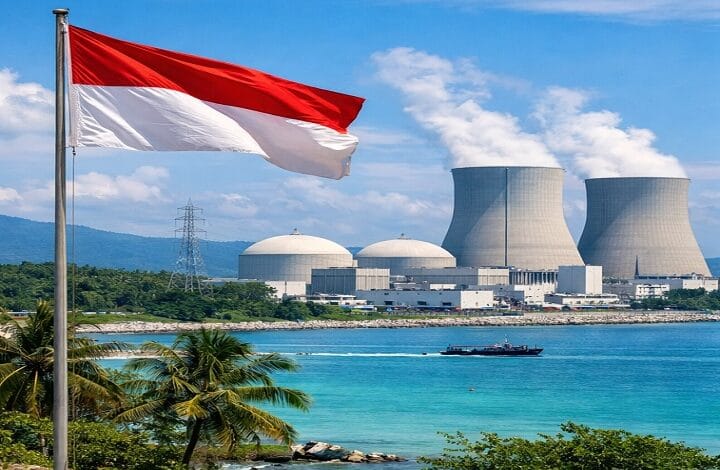
Indonesia Plans Phased Nuclear Power Development, Targets 7GW Capacity by 2034

JAKARTA — Indonesia has announced plans to develop nuclear power plants in stages as part of its long-term energy transition strategy, with a target of reaching a total capacity of seven gigawatts (GW) by 2034.
Presidential Special Envoy for Energy and Climate, Hashim Djojohadikusumo, said the government has adopted a new policy approach that begins with smaller-scale nuclear projects before gradually expanding.
He explained that the initial phase would start with a capacity of around 500 megawatts, followed by progressive upgrades over the next decade.
“This is a completely new approach. We will start small and steadily scale up to reach seven GW by 2034,” he said during the Indonesia Economic Summit 2026.
Supporting Energy Transition and Security
Hashim noted that Indonesia aims to build up to 70GW of new power generation capacity over the next 10 years, with approximately 76 per cent coming from renewable and new energy sources.
This strategy is intended to reduce dependence on fossil fuels while strengthening national energy security and lowering carbon emissions.
Nuclear power, he added, will serve as a key component in diversifying the country’s energy mix.
Growing Global Investor Interest
According to Hashim, Indonesia’s ambitious clean energy plans have attracted strong interest from international investors and technology providers.
Rising electricity demand, driven by industrial expansion and urban development, has made the country an increasingly attractive destination for energy investments.
The nuclear programme is also expected to generate new opportunities in financing, engineering and technology transfer.
Natural Gas Remains a Key Support
Despite the focus on renewables and nuclear power, Indonesia will continue to rely on natural gas as a stabilising energy source during the transition period.
Hashim said gas remains essential to ensure consistent power supply, especially when renewable energy output fluctuates due to weather conditions.
This balanced approach aims to maintain system reliability while advancing sustainability goals.
Balancing Growth and Sustainability
He emphasised that Indonesia’s overall energy direction seeks to balance economic growth, energy security and environmental protection.
The phased development of nuclear power is expected to support long-term electricity demand while contributing to national decarbonisation efforts.
By adopting a gradual and carefully managed approach, the government believes the nuclear programme can be implemented safely and sustainably, delivering long-term benefits to the country’s economy and energy sector.
-wilayah.com.my