
Ninja Mart Expands Support for Neighbourhood Retailers Through Logistics and Digital Solutions

KLANG, July 1 — Business-to-business (B2B) distribution platform Ninja Mart is strengthening its support for neighbourhood grocery stores by combining logistics services, digital tools and on-the-ground operational assistance to help traditional retailers remain competitive in Malaysia’s evolving retail landscape.
The initiative is aimed at improving the efficiency of independent retailers as they face increasing competition from modern retail chains, convenience stores and e-commerce platforms.
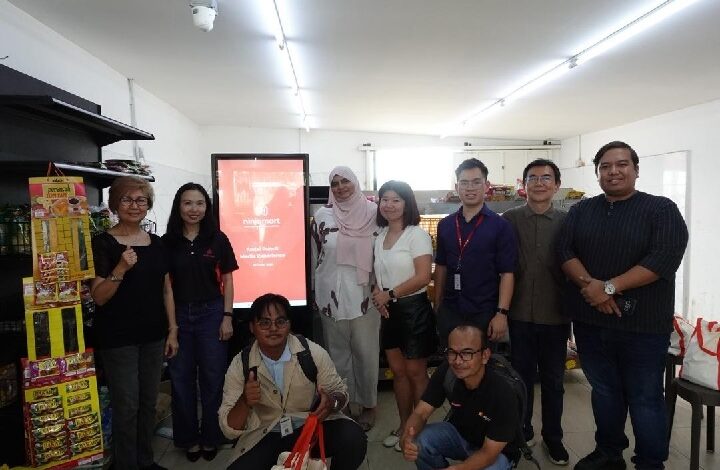
Speaking during a media engagement session at Al-Amin Fresh Mart in Kampung Kuantan, Klang, Ninja Mart Malaysia Country Head Denise Ang said the future of Malaysia’s general trade sector depends on practical solutions designed around the day-to-day realities of traditional retailers.
She said neighbourhood grocery store operators play a far greater role than simply selling products, as they are deeply embedded within the communities they serve and understand the daily needs of their customers.
“The future of general trade depends on practical solutions that genuinely reflect how traditional retailers operate. These business owners are not just merchants—they are trusted members of their communities with a close understanding of local consumer needs,” she said.
Through its distribution platform, Ninja Mart connects consumer brands and suppliers with a wide retail network that includes traditional grocery stores, modern retail outlets, petrol station convenience stores and the hotel, restaurant and café (HORECA) sector.
Its operating model integrates app-based ordering, sales team coverage, logistics support and field assistance to help brands improve market reach while enabling retailers to manage their businesses more effectively.
The company currently supports more than 16,000 active retail outlets across Malaysia, providing services that cover product ordering, delivery coordination, order enquiries, product returns, claims processing and day-to-day store operations.
Ang said changing consumer spending habits continue to reinforce the importance of neighbourhood retailers despite the rapid growth of organised retail.
Citing the Bain-NIQ 2025 Consumer and Shopper Report, she noted that 42 per cent of consumers continue purchasing the same brands when promotional offers are available, while 33 per cent have reduced their overall spending. The report also found that 27 per cent now focus primarily on essential purchases, while 25 per cent are switching to brands that offer better value for money.
She said these trends demonstrate that neighbourhood grocery stores remain highly relevant because consumers continue to value convenient access to trusted retailers located close to where they live.
Malaysia’s retail sector has also maintained positive momentum. According to data from the Department of Statistics Malaysia, retail sales reached RM71 billion in April 2026, representing a 6.3 per cent year-on-year increase across multiple retail formats, including hypermarkets, minimarkets and convenience stores.
Ang added that strengthening Malaysia’s general trade ecosystem should create mutual benefits for both brands and retailers by improving consistency, efficiency and transparency throughout the supply chain.
“For brands, the challenge is no longer simply reaching more stores, but ensuring that market access is consistent, efficient and transparent,” she said.
“For retailers, the priorities are much more practical—simplified ordering processes, dependable support, access to relevant products and assistance in managing everyday store operations. Delivering these capabilities will strengthen neighbourhood retailers and support sustainable growth across the retail ecosystem,” she added.