Sepang International Circuit Thrives Beyond Formula One With High-Frequency Track Utilisation Strategy

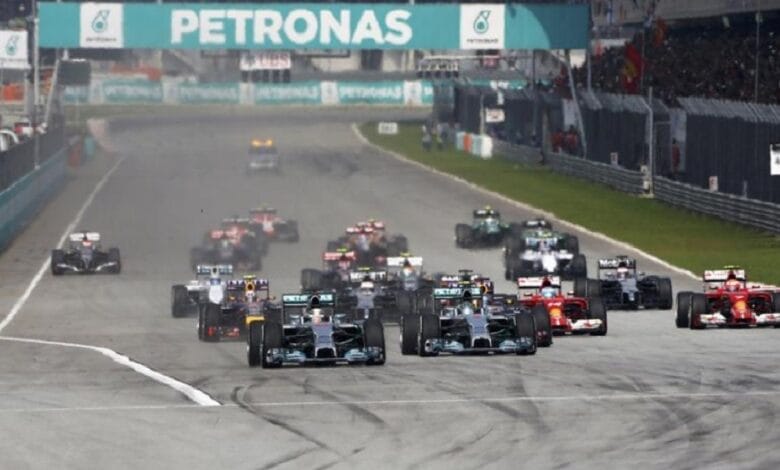
KUALA LUMPUR — The end of Formula One at Sepang International Circuit did not signal decline. Instead, it marked the beginning of a strategic shift that allowed the venue to sustain itself through continuous track-based commercial activity.
Rather than depending on headline race events, Sepang has repositioned itself as a year-round motorsport and automotive facility, hosting private track days, vehicle testing, product launches and corporate programmes.
Former SIC chief executive Datuk Razlan Razali said daily track utilisation has long been the circuit’s financial backbone.
While global races once dominated public attention, he explained that recurring bookings provided more reliable and sustainable income.
Before the Covid-19 disruption, the circuit’s calendar was already heavily booked, reflecting strong demand from manufacturers, racing teams and commercial clients.
Adapting to a New Era
Following the pandemic, activity levels rebounded significantly, reinforcing Sepang’s role as a key regional motorsport hub.
Current CEO Azhan Shafriman Hanif said the circuit is now focused on long-term development plans to diversify revenue and strengthen its commercial ecosystem.
These initiatives include expanding hospitality, commercial facilities and automotive-related services.
Sepang’s evolution demonstrates how a world-class racing venue can remain competitive by adapting to changing industry realities.
Instead of fading after Formula One, the circuit has successfully transformed into a resilient and sustainable motorsport destination.
-wilayah.com.my