Sabah Reassesses Cross-Border Barter Trade Expansion Amid Economic Opportunities and Security Risks

KOTA KINABALU, May 6 — Sabah is taking a cautious approach in reviewing proposals to expand barter trade activities with the southern Philippines, as the state government balances economic revival efforts with longstanding security priorities along its eastern maritime borders.
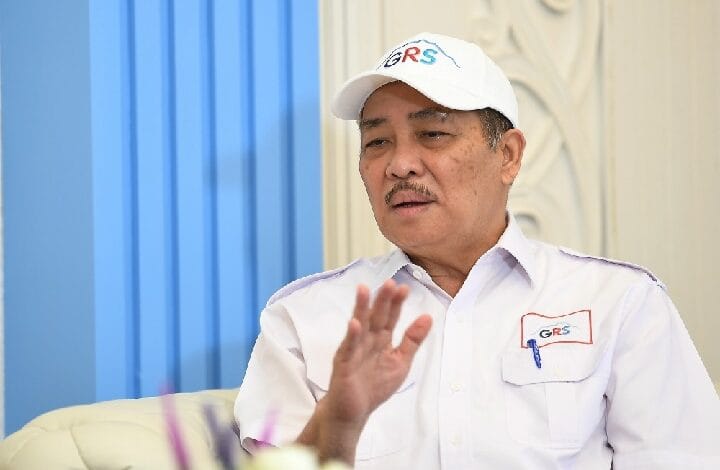
Chief Minister Hajiji Noor said the proposal is under detailed evaluation, reflecting growing interest from industry stakeholders who see potential in restoring cross-border trade networks that once supported coastal livelihoods.
He stressed that while the initiative could stimulate economic activity, any decision must be guided by a comprehensive assessment of risks and benefits.
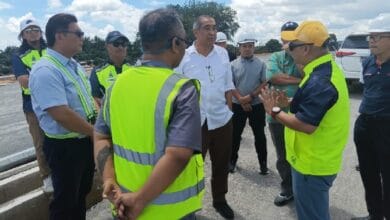
“The government will carefully study this proposal. Many parties have suggested expanding barter trade, but we must consider all implications, especially those related to security and economic impact,” he told reporters after visiting several offshore security locations near Sandakan.
The matter is expected to be discussed further within key policy platforms, including the National Security Council and state-level development councils, indicating that a coordinated strategy between national and state authorities will be crucial.
Economic Lifeline for Coastal Communities
Barter trade has historically played a significant role in linking Sabah’s eastern districts — particularly Tawau, Sandakan and Lahad Datu — with nearby regions in the southern Philippines and Indonesia. Over time, the system has shifted from traditional goods exchange to more structured, small-scale commercial transactions involving cash.
Despite its economic relevance, barter trade operations were halted in 2016 following a wave of cross-border security threats, including abductions that raised serious concerns about safety in Sabah’s waters. The suspension disrupted economic activity in coastal areas that relied heavily on this form of trade.
In 2019, the system was partially reinstated under tighter regulatory oversight. Authorities introduced designated trading hubs, enhanced inspection protocols, and stricter monitoring of vessels to curb illegal activities such as smuggling of subsidised goods.
While trading has since resumed in a limited capacity, calls have intensified for a broader reopening, particularly as communities seek to recover and expand their economic base.
Security Preparedness Remains Central
Hajiji’s recent visit formed part of the state’s ongoing inspection programme within the Eastern Sabah Security Zone, an area that remains critical to Malaysia’s border security framework.
During the visit, he toured several islands — including Pulau Bakungan Kecil, Pulau Selingan and Pulau Langkayan — where security personnel from various agencies continue to maintain a strong presence.
He noted that enforcement readiness is currently at a satisfactory level, supported by upgraded infrastructure and additional federal resources.
“Based on what I observed, our security forces are well-equipped and prepared. Facilities at these control posts have been improved, and more assets have been allocated, although further enhancements are still necessary,” he said.
Stability Driving Tourism Growth
The improved security landscape has also contributed to a resurgence in tourism along Sabah’s east coast, an area previously affected by safety concerns.
Hajiji highlighted that the absence of recent security incidents has helped rebuild confidence among international visitors, particularly those drawn to high-profile destinations such as Sipadan Island, widely recognised as one of the world’s leading dive sites.
“A stable and secure environment is essential for tourism growth. When visitors feel safe, they are more likely to come, which benefits the local economy,” he said.
As Sabah continues its review, policymakers face the challenge of designing a framework that can unlock the economic benefits of expanded barter trade while ensuring that security safeguards remain robust and effective.
-wilayah.com.my