Ops Tiris Seizes RM263m in Controlled Goods, Over 2,200 Arrested as Enforcement Intensifies

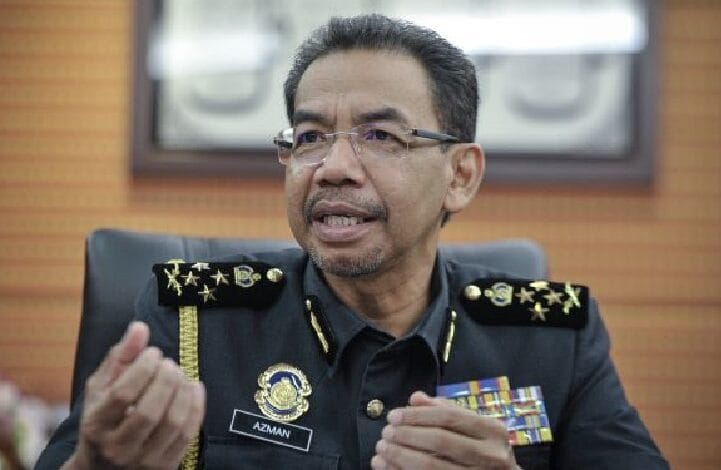
PUTRAJAYA, April 25 — A nationwide crackdown under Ops Tiris has led to seizures of controlled goods worth over RM263 million, with 2,219 individuals arrested so far, according to Ministry of Domestic Trade and Cost of Living Enforcement Director-General Azman Adam.
He said the results reflect expanded enforcement efforts and stronger inter-agency cooperation.
Expanded Scope Covers Six Key Commodities
Azman explained that Ops Tiris now targets six major commodities: diesel, RON95 petrol, liquefied petroleum gas (LPG), sugar, cooking oil and flour.
The operation adopts a “whole-of-government” approach, involving multiple enforcement agencies to improve effectiveness.
To date, a total of 6,773 cases have been recorded under the initiative.
Arrests and Seizures Show Significant Increase
Of these cases, 2,219 individuals have been detained, including suspects and witnesses, with nearly 80 per cent being Malaysians.
Under Ops Tiris 4.0, which began on March 16, authorities recorded 377 cases within the first month, leading to 107 arrests and seizures worth nearly RM17 million.
Diesel-Related Cases Dominate
Diesel-related offences accounted for the highest number of cases, with 166 cases involving over 1.1 million litres seized.
This was followed by 78 petrol-related cases involving more than 31,000 litres, and 49 cases linked to LPG.
Sarawak recorded the highest number of diesel cases, followed by Sabah, Kelantan and Johor, highlighting enforcement focus in border regions.
Heightened Monitoring at High-Risk Petrol Stations
Starting April 11, KPDN and other enforcement agencies, including the police, have deployed officers to monitor 151 petrol stations in identified high-risk border areas.
The measure aims to curb misuse, especially amid geopolitical uncertainties that may create price disparities and disrupt supply.
Technology and AI Strengthen Enforcement
Authorities are also leveraging technology, including artificial intelligence, to analyse fuel consumption patterns.
This allows early detection of irregularities such as unusual spikes in fleet card transactions or supply inconsistencies at petrol stations.
-wilayah.com.my