
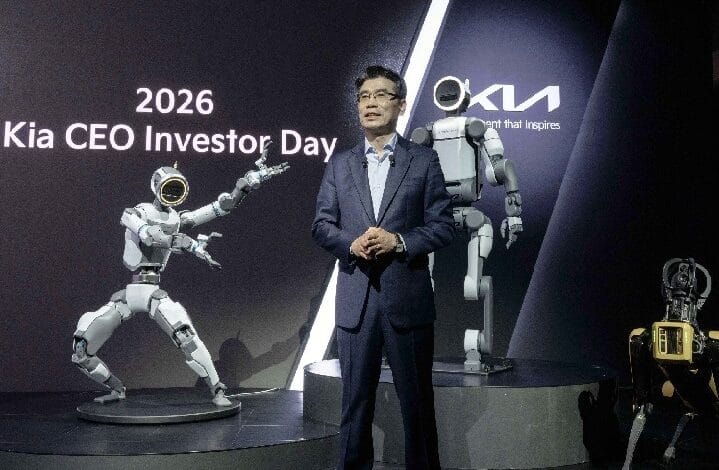
Kia Shifts Toward Mobility Ecosystem Strategy, Targets Growth Through Electrification and Smart Technologies

SEOUL, April 11 – Kia Corporation is repositioning itself as a mobility solutions provider, focusing on electrification, autonomous systems and digital technologies to drive long-term growth.
At its 2026 CEO Investor Day, the company outlined a strategy that goes beyond traditional vehicle manufacturing, emphasising the development of an integrated mobility ecosystem.
Chief executive Ho Sung Song said the company aims to connect vehicles, users and infrastructure to deliver enhanced value in a rapidly evolving market.
Ecosystem-Centric Growth Strategy
Kia’s future roadmap centres on building a connected ecosystem that integrates multiple mobility solutions.
This includes expansion in Purpose-Built Vehicles (PBVs), software-defined vehicles and autonomous driving technologies.
The approach reflects a broader industry shift towards mobility services and digital integration.
Electrification at the Core
The company plans to expand its electric vehicle lineup to 14 models, targeting one million EV sales annually by 2030.
In parallel, Kia will grow its hybrid portfolio to 13 models, aiming for 1.1 million units in yearly sales.
This dual strategy allows the company to address varying levels of electrification demand across markets.
Ambitious Global Sales Targets
Kia is targeting annual global sales of 4.13 million units by 2030, with a market share goal of 4.5 per cent.
These targets signal confidence in the company’s ability to scale operations and compete globally.
Investment in Future Technologies
To support its transformation, Kia plans to invest KRW49 trillion over five years, including significant funding for next-generation technologies such as robotics and autonomous systems.
This investment is expected to strengthen its competitive edge.
Advancing Manufacturing Innovation
The company is also enhancing its production capabilities through advanced automation systems, aimed at improving efficiency and scalability.
These innovations are critical in supporting high-volume production of next-generation vehicles.
Positioning for Industry Transformation
Kia’s strategy highlights a shift towards a technology-driven business model, aligning with global trends in mobility and sustainability.
The company is positioning itself to capture new opportunities as the automotive industry continues to evolve.
-wilayah.com.my