
Government Assures Kedah Rice Planting Activities Will Resume Soon Despite Water Supply Challenges

SERDANG: Malaysia’s Agriculture and Food Security Ministry has assured that rice planting activities affected in Kedah for the 2026 first planting season are expected to resume soon as conditions in major paddy cultivation areas gradually improve.
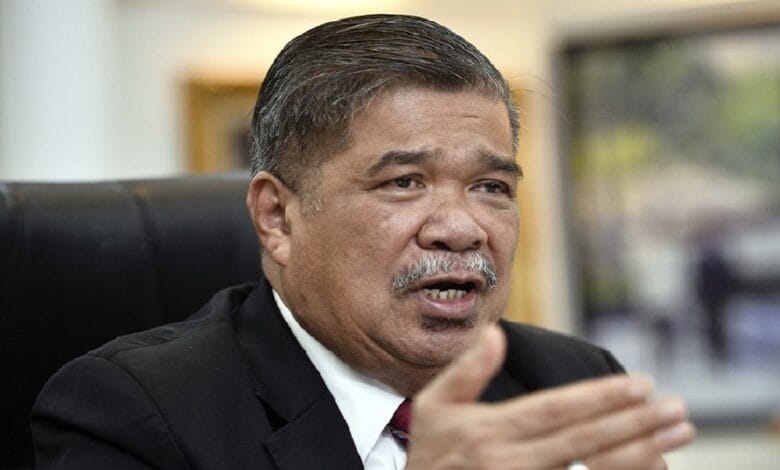
Agriculture and Food Security Minister Mohamad Sabu said more than half of the affected paddy fields in the state have already undergone ploughing works and started receiving water supply in preparation for planting activities.
Although dam levels in several key irrigation areas remain below satisfactory levels, he said the overall situation is becoming more manageable compared to previous weeks.
“More than 50 per cent of the affected fields have already been ploughed and water has begun flowing into the paddy areas even though reservoir levels are still not fully satisfactory.
“God willing, farmers will be able to restart planting activities soon,” he said after attending the Pitch & Connect @ MAHA 2026 programme at Malaysia Agro Exposition Park Serdang today.
The statement comes amid growing concerns among farmers in Kedah, particularly those within the Muda Agricultural Development Authority (MADA) irrigation zone, who were forced to delay cultivation due to water shortages and rising operational expenses.
Earlier this month, reports indicated that nearly 90 per cent of rice farmers in Kedah had yet to begin planting for the current season because of irrigation constraints and increasing costs involving fertilisers, pesticides and agricultural machinery.
The delays sparked fears that Malaysia’s rice self-sufficiency rate could be affected if planting disruptions continue for an extended period.
Commenting further, Mohamad Sabu acknowledged that delayed planting schedules caused by weather conditions and limited water supply could reduce domestic rice production levels.
“If planting activities are delayed, there will certainly be a reduction in rice output. Weather conditions are also affecting cultivation schedules at the moment,” he explained.
Despite the risks, the minister stressed that the government has already prepared several intervention measures to ensure the country’s rice supply remains stable should local production temporarily decline.
According to him, the ministry will continue working closely with relevant agencies to monitor water management, provide assistance to farmers and accelerate recovery efforts within the agricultural sector.
Previously, chairman of the Pertubuhan Persaudaraan Pesawah Malaysia, Abdul Rashid Yob said one of the main factors contributing to the delays was critically low water levels at the Muda Dam.
He noted that priority given to domestic water consumption had limited irrigation supply for paddy fields, disrupting planting schedules across major agricultural zones.
Kedah remains Malaysia’s largest rice-producing state and plays a critical role in ensuring national food security due to its extensive paddy cultivation network under MADA.
In recent years, Malaysia’s rice farming industry has increasingly faced pressure from climate change, prolonged dry seasons and rising agricultural production costs.
The challenges have intensified calls for better irrigation management, modern agricultural technology adoption and stronger long-term strategies to strengthen the resilience of the country’s food production sector.
The government has previously introduced various support initiatives for farmers including fertiliser subsidies, mechanisation programmes and productivity enhancement schemes aimed at maintaining domestic rice output.
Mohamad Sabu said ensuring national food security would remain among the ministry’s top priorities as the agricultural sector continues playing a vital role in Malaysia’s economic and social stability.
-wilayah.com.my