Rohingya Refugees Pay Full Medical Fees Like Other Foreigners, Says Dzulkefly

PUTRAJAYA: Foreign nationals in Malaysia, including Rohingya refugees, are not entitled to healthcare subsidies and are required to pay the same medical charges imposed on all foreigners receiving treatment at government hospitals, Health Minister Datuk Seri Dr Dzulkefly Ahmad said.
He stressed that claims suggesting the government fully bears the medical costs of Rohingya refugees are inaccurate, as foreign patients are subject to significantly higher treatment fees than Malaysian citizens.
According to Dzulkefly, foreign nationals do not receive any discounts or special privileges when accessing healthcare services provided by the government.
“Foreigners are not exempted from medical charges and they do not receive subsidies.
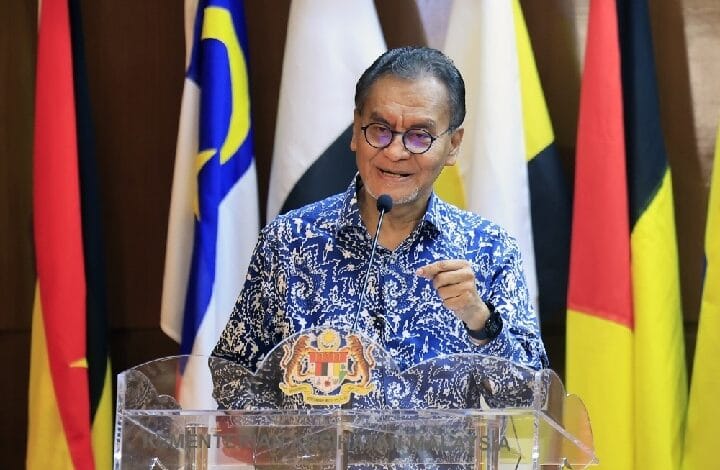
“In fact, they are charged rates that are much higher than those imposed on Malaysians,” he told reporters after the signing ceremony of the National Digital Health Ecosystem and Connectivity Initiative (PERSADA) memorandum of understanding between the Health Ministry and the Malaysian Communications and Multimedia Commission (MCMC) here today.
He explained that a foreign patient seeking specialist outpatient treatment is charged RM120, while Malaysians only pay RM5 to consult a specialist and RM1 for a regular outpatient consultation.
Dzulkefly also revealed that outstanding medical bills involving foreigners, including Rohingya refugees, have been declining over the past three years.
Outstanding payments stood at RM30.57 million last year, compared with RM33.46 million in 2024 and RM34.97 million in 2023.
He said the majority of unpaid bills involved undocumented migrants who often lacked the financial means to settle their medical expenses.
Nevertheless, he stressed that the ministry has taken various measures to recover outstanding payments.
“We do not simply allow these debts to accumulate.
“Various measures have been implemented to ensure payment recovery,” he said.
Among the steps taken are requiring deposits before treatment begins and working with employers of foreign workers to recover unpaid medical bills.
The ministry also collaborates with the Immigration Department, the United Nations High Commissioner for Refugees (UNHCR) and non-governmental organisations to help cover treatment costs for those who are genuinely unable to pay.
“We continue to follow up on these cases and recover the debts wherever possible.
“We are working closely with all relevant parties so that treatment costs can be managed in a more structured manner,” he added.
Commenting on reports that the government spends around RM30 million annually on healthcare services for Rohingya refugees, Dzulkefly said the matter must be viewed from a humanitarian perspective.
He explained that the ministry adheres to a “no wrong door” policy, which means patients in critical conditions or women experiencing childbirth complications cannot be denied emergency medical treatment.
“If someone arrives in a critical emergency or faces complications during childbirth, we cannot refuse treatment on humanitarian grounds,” he said.
At the same time, Dzulkefly said perceptions regarding the increasing number of Rohingya refugees at public healthcare facilities may be influenced by growing public attention on the issue.
However, he stressed that the government remains committed to balancing humanitarian responsibilities with the need to safeguard national interests and maintain the sustainability of Malaysia’s healthcare system.